

 Call us
 Email us
 Watch
SILK
Supriya Agrawal
Life without glasses, finally.
Advanced laser vision correction in Delhi NCR
SILK (Smooth Incision Lenticule Extraction) is a next-generation, flapless laser eye surgery that removes specs by correcting myopia & astigmatism. In SILK, a very tiny, disc-shaped, corneal tissue (called a lenticule) is removed through a small incision of around 2mm (that’s a small grain of rice) which corrects the eye power. Unlike LASIK, no flap is created in SILK, which reduces flap-related complications and the risk of post operative dry eye. It’s performed on one of the most advanced laser platforms in the world called ELITA platform by Johnson & Johnson. Shroff Eye Centre was one of the first eye hospitals to start SILK in India.
Patients often ask what is the difference between SILK & LASIK? The short answer is both are specs removal methods (refractive surgeries) but utilise different technology, technique and have slightly different indications- Read our full comparison table below.
| SILK | LASIK | |
|---|---|---|
| Procedure type | Flapless | Flap-based |
| Platform used | ELITA by J&J | Wavelight by Alcon |
| Better for | Active lifestyles, Contact sports, Combat professionals | Those with non-combat and non-sporty lifestyles |
| Corrects | Myopia, Astigmatism | Myopia, Astigmatism, Hypermetropia |
| Dry eye risk | Lower than LASIK | Higher than SILK |
| Corneal flap created? | No | Yes |
| Biomechanical corneal strength | Better preservation (no flap) | Lower preservation(flap present) |
| Risk from eye impact or sport | No risk of flap displacement | Flap displacement possible |
| Vision clearing | 24-72 hours | 24-72 hours |
| Cost in Delhi | Rs.1.2-Rs.1.5 lacs | Rs. 95000 |
| Available at Shroff Eye Centre | Yes | Yes |
Swipe or scroll sideways to view the full table.
Hear how specs removal & vision correction worked for our patients
Watch
SILK
Life without glasses, finally.
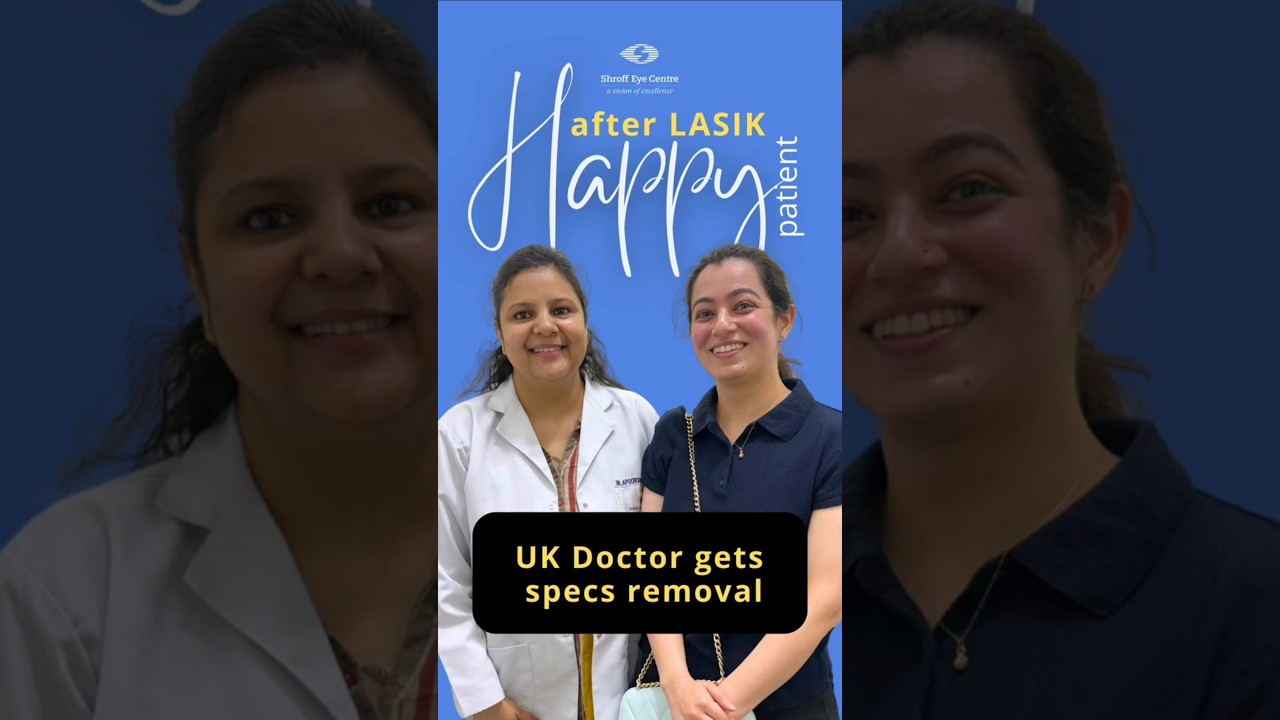 Watch
LASIK
Best decision I ever made for my eyes.
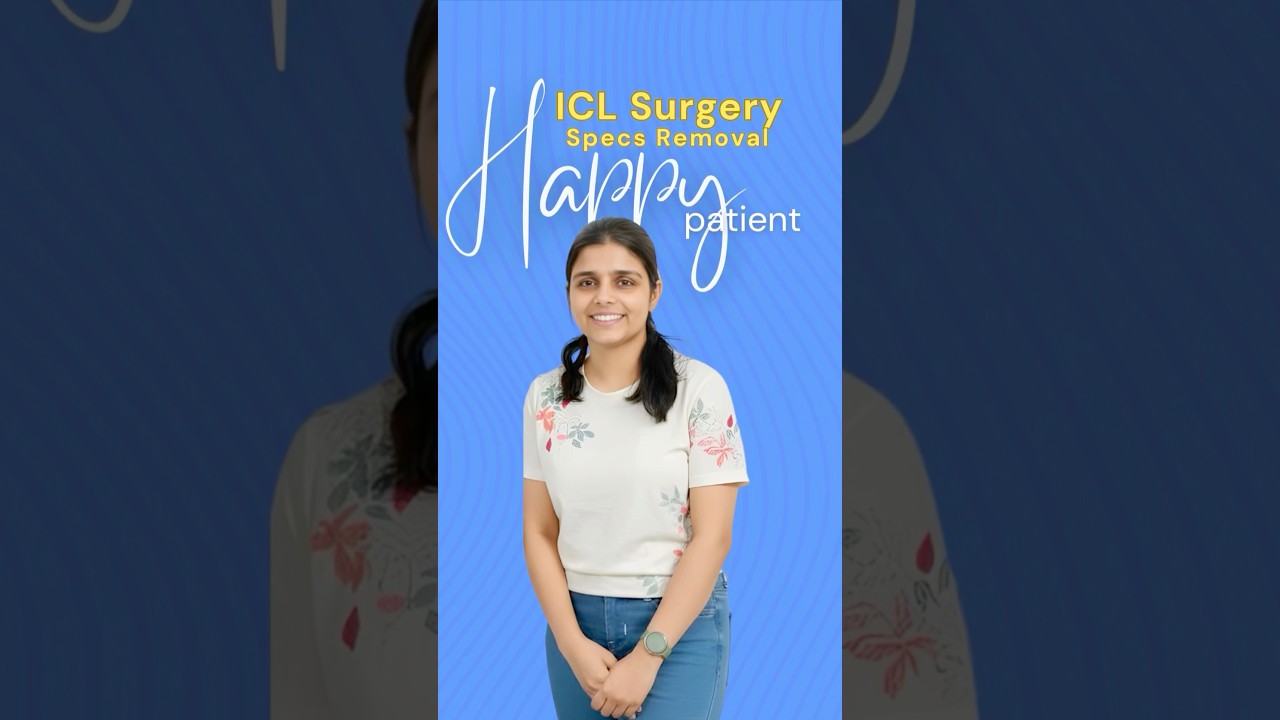 Watch
ICL
High power was never a barrier.
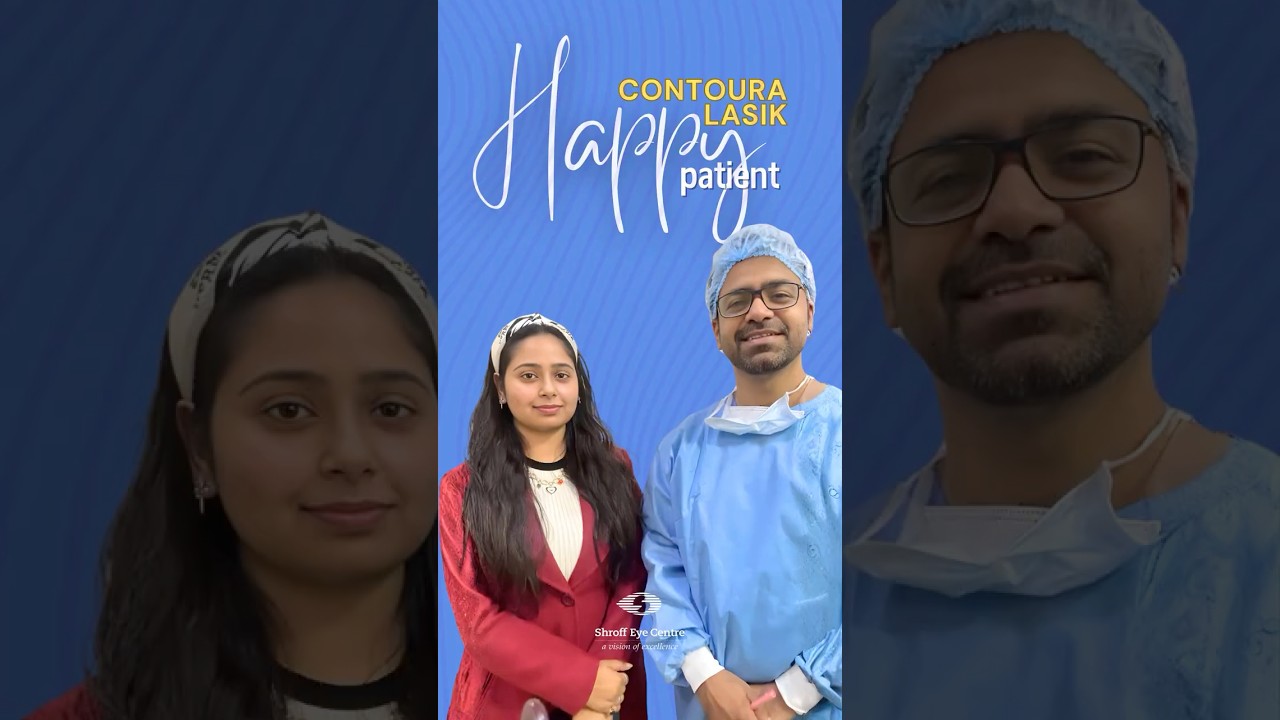 Watch
PRK
Clear vision for an active life.
SILK surgery on ELITA at Shroff Eye Centre takes about 20 minutes in total for both eyes. You will feel no pain and are able to go home soon after surgery. Here is a guide to what happens when you come to Shroff Eye Centre for SILK for vision correction.
This is usually done atleast a day before your SILK Eye Surgery.
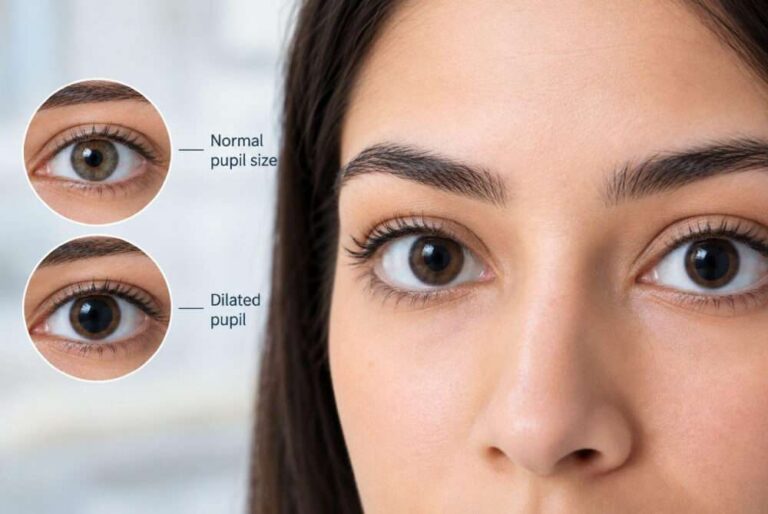
Pre-SILK surgery checkup includes detailed eye tests to map and measure your cornea, dry eye and glaucoma as well as a consult with our eye specialists. Your pupils will be dilated and you will not be able to drive after this appointment.
You arrive in time at our calm and quiet refractive surgery suite, change and relax. Your eyes are cleaned and topical anesthetic eye drops are started to ensure your experience is comfortable and pain free.
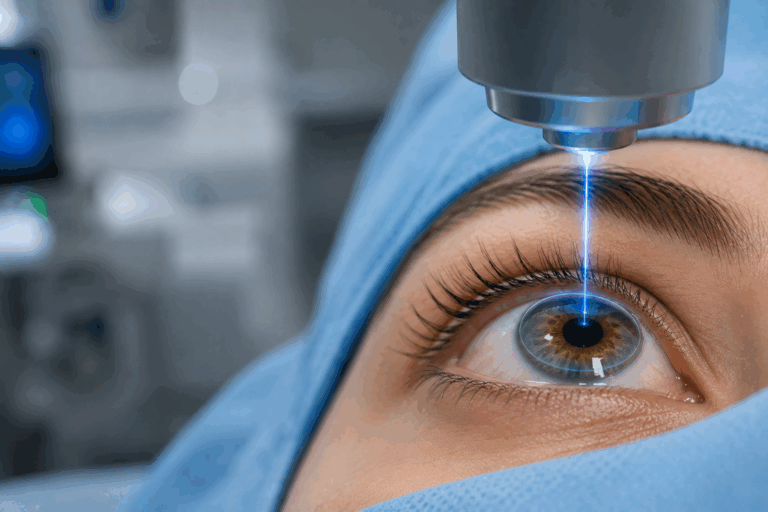
Inside the SILK Procedure room, you lie down on a comfortable bed and look straight up at the ELITA machine. Our surgeons keep talking and guiding you throughout the procedure.
SILK is very quick and painless.
The ELITA femtosecond machine laser creates a tiny disc shaped tissue in the deeper layers of the cornea and a tiny precise 2-4 mm incision on the cornea. The surgeon then gently removes this lenticule, correcting your corneal shape and eye power. As there is no flap, the incision naturally seals itself.
Vision recovery usually takes 24-72 hours. Most people have a little blurry vision on the day of surgery. Your vision will keep clearing up and becoming sharper as the eye heals over the next few weeks. Keep following all precautions and medications explained by our doctors.
After resting for a bit, you can go home soon after the procedure. Remember to rest on the day of the surgery.
Follow all precautions and medications as explained by our refractive surgery team.
Also remember to come for your follow up visits to make sure the eye is healing well. At Shroff Eye Centre, we expect to see you on Day 1, Day7 and Day 30 after your SILK eye surgery.
Anyone can get SILK eye surgery for specs removal- but there are some criteria on who is a good candidate for SILK and who is not (listed below). You can also take our eligibility checker quiz to find out if you may qualify for SILK eye surgery.
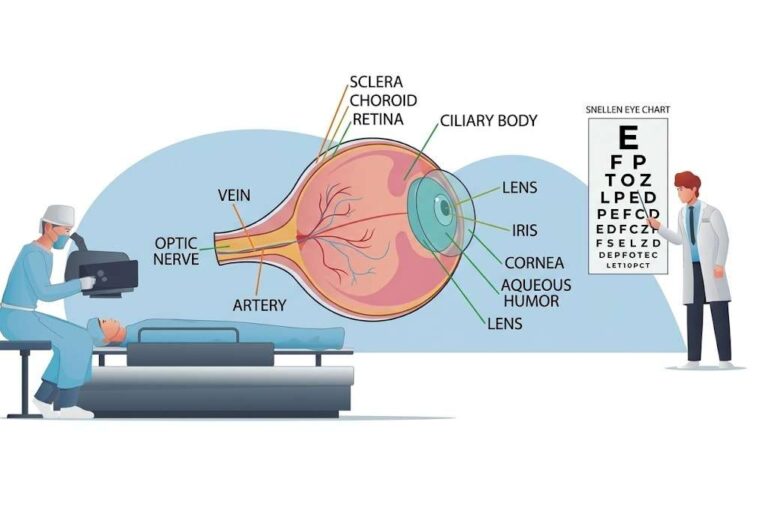
However, suitability for SILK, or any procedure, can only be confirmed after a thorough pre-operative check-up. At Shroff Eye Centre, we do a thorough pre-SILK/ LASIK assessment which includes a detailed refraction and eye pressure test, corneal thickness, shape and topography, a retina check and a detailed cornea and eye check and consult with our highly trained eye specialists. After the tests, our eye specialists also discuss with you which specs removal and vision correction eye surgery would be best for you. This pre-operative eye checkup usually takes approximately 90-180 minutes at Shroff Eye Centre.
Answer 3 quick questions to discover which procedure suits you best in 30 seconds
Take our short quiz to find out
Based on your answers, you are likely a good candidate for vision correction. Book a screening to confirm.
Vision correction surgery is recommended for patients who are 18 years or older and have a stable eye power for at least 12 months. Come back once you turn 18!
We will need to see you to advise the best option. Patients over 45 may also be developing presbyopia (reading glass power), which needs to be considered when planning vision correction. Please come in for a consultation.
SILK is a safe, well-established procedure when performed on suitable candidates. However, SILK is a medical procedure and like any medical procedure, carries a small inherent risk. Most of the side effects are usually minor and temporary.
Shroff Eye Centre is one of the oldest, most trusted and renowned eye hospitals for eye care and vision correction. Some of the reasons why Shroff Eye Centre is one of the most trusted eye hospitals are:

India's most rigorous hospital accreditation and strict quality parameters.

Shroff Eye Centre has a legacy of 4 generations and more than a 100 years dedicated to eyecare.
Amongst the first to start modern LASIK and other vision correction/refractive surgery in Delhi NCR more than 25 years back.

Our eye surgeons have trained extensively in refractive surgery specially and actively involved in award-winning research, teaching and training other surgeons around the world on SILK and other vision correction surgeries. Meet our team

We see about a lakh patients annually from all around the world, who come to Delhi to get their eyes seen at Shroff Eye Centre. We've built this trust over the years by our honest, dedicated and patient-first approach. Don't just take our word, watch our testimonials and reviews below.
We believe in using the latest machines and tech available to deliver patient care.

If a treatment or surgery is not right for you, we will tell you directly. A good surgeon knows how to operate; a better one knows when to operate; but the best knows when NOT to operate. At Shroff Eye Centre, We are proud of (and well-known for) not intervening when not required.
Amongst first to start Modern LASIK and SILK specs removal in India; First to start IOL implants after cataract surgery in Delhi NCR in 1980's; First to begin retina surgery to Delhi; First Vision therapy clinic.
At Shroff Eye Centre, we have been recognised, published and awarded, both in India and internationally, for our work in ophthalmology as well as refractive surgery. Our surgeons are invited to train other surgeons in India and globally on LASIK, SILK and ICL. We have also been a part of industry and public discussions, podcasts and news articles. Achievements
Testimonials from Esteemed Personalities
Shri. K. R. Narayanan
Past President Of India
I was delighted to visit Shroff’s Eye Hospital and see that it has been refurbished and expanded in a Spacious and beautiful manner. This well equipped and competently staffed Eye Centre has become a facility of excellence which will be a boon to the people of Delhi. I wish the Shroff Eye Centre the people and saving their eye sight.

Shri. Raj Nath Singh
Home Minister Of India
I am of firm opinion that Dr. Shroff’s institution is the best eye institution. I am fully satisfied with the care and treatment of my eyes. I had heard lot of praise about this institution, I got the same. I wish all the best for this institution.

Smt. Sheila Dikshit
Chief Minister Of Delhi
This wonderful clinic gives such comfort and confidence. I moved out feeling so confident to see the world.

Smt. Sharmila Tagore
Actor/Director
I was very well looked after, even pampered. The staff is extremely competent. Every single one of them. The whole atmosphere is truly democratic. No one is given more importance than the other. Thank you. Everyone is treated equally.

Shri. Prannoy Roy
CEO, NDTV India
This is undoubtedly the finest institution for eyes. Not only is every single staff member highly professional and brilliantly competent, everyone is warm, patient understanding and patient friendly. God bless all of you.

Smt. Shehnaz Hussain
CEO, Shahnaz Herbals
The best eye clinic in the world and Dr. Noshir the last word in eye care.
Our team is highly trained and has decades of experience in vision correction and refractive surgery.
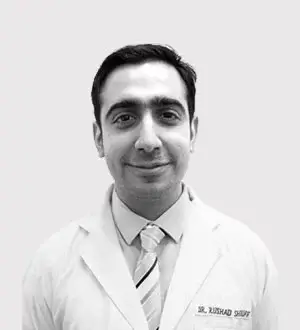
Cataract & IOL Surgery, LASIK ( Refractive Surgery ), Cornea, Conjunctivitis
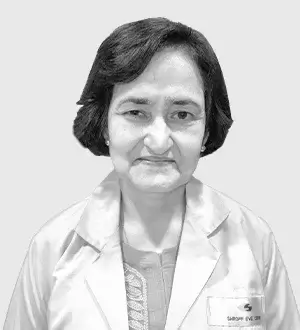
LASIK ( Refractive Surgery ), Cornea, Dry Eye

LASIK ( Refractive Surgery ), Cornea, Dry Eye, Conjunctivitis

Cataract & IOL Surgery, LASIK ( Refractive Surgery ), General Ophthalmology
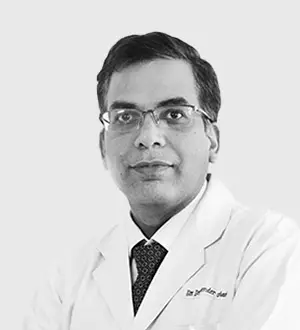
Cataract & IOL Surgery, LASIK ( Refractive Surgery ), Cornea, Dry Eye
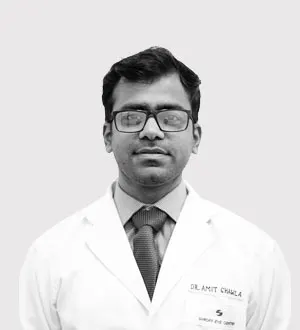
Cataract & IOL Surgery, LASIK ( Refractive Surgery ), Cornea, Dry Eye

Cataract & IOL Surgery, LASIK ( Refractive Surgery ), Cornea, Cataract
Yes, SILK's flapless technique makes it particularly well-suited to those who are physically active. Unlike LASIK, no corneal flap is created is created; which means there is risk of flap displacement from an impact, a dive, or physical contact. So if you’re an athlete, boxer, gymnast, swimmer or combat professional living in Delhi NCR, SILK is a good choice for vision correction and specs removal..
You can start watching screens from the next day usually and most people can start driving within a few days. Most patients rejoin office within a few days. It’s best to avoid cooking and stick to light exercise for a week. You cannot wear eye makeup for a few weeks. Most surgeons recommend a four-week pause from contact sport after SILK to allow full healing after SILK eye surgery. Once the healing is complete, the corneal stability recovers and you can return to your activities after your doctor gives you the go ahead.
SILK eye surgery is one of the most advanced vision correction procedures in India. SILK is performed on the latest ELITA femtosecond laser platform by Johnson & Johnson Vision; With its precise laser delivery system, small incision size and flapless-technique, it is designed to provide consistent and excellent results with high patient safety and comfort.
SILK is better than LASIK if you have an active lifestyle or play contact sport or are a combat professional- anything that places you at a higher risk of eye injury and flap-displacement. As there is no flap created in SILK, it is safer for active individuals.
Otherwise, both SILK and LASIK are excellent and safe procedures for vision correction which give good post-surgery results.
The cost of SILK eye surgery in Delhi is approximately Rs. 1.2 lacs for both eyes. The cost of SILK at Shroff Eye Centre is comparable to other eye hospitals in Delhi.
At Shroff Eye Centre we also offer Zero-cost EMI available. Ask our team about financing options at your consultation.
No, SILK eye surgery is not painful. Topical anesthetic eye drops are used to ensure you feel no pain. Some patients report a pressure or wiping movement in front of their eye during the procedure, but no pain or discomfort. The recovery period is also usually pain-free as the surface of the cornea is not disturbed much.
Coverage of SILK by insurance depends on your individual policy. Please speak with your insurance company to know more.
Recovery after SILK eye surgery is usually quick and smooth, with most patients noticing clearer vision within one to two days. However, following post-operative care is essential to ensure proper healing and consistent long-term results. Most side effects, such as mild dryness or light sensitivity, subside within the first week.
Most patients experience clear vision within 24-48 hours after SILK eye surgery. The vision keeps clearing and becoming sharper over the next 7 days. Vision recovery in SILK is comparable to LASIK and considerably quicker than PRK or streamlight.
However, vision recovery and healing times are highly variable in every individual and depend on your body’s corneal biomechanics. Diligently using the eye drops, following precautions and coming for post-SILK follow ups help aid in recovery.
At Shroff Eye Centre, our team will explain your precautions and medications after SILK eye surgery in detail. Some of the precautions and aftercare of SILK are:
Watch our video to understand precautions after LASIK and SILK here: Dr Apoorva Video link
Yes, SILK is usually done on both eyes in the same session, on the same day. This is usually better as it allows balanced visual recovery.
SILK & SMILE are lenticule extraction techniques for vision correction and specs removal. The key differences are that SILK is done on the ELITA platform by Johnson & Johnson and SMILE is performed on Zeiss Visumax platform. The size and shape of the lenticule created by both are different and SILK uses lower energy. Read more here.
SILK creates no corneal flap. In LASIK, femtosecond laser cuts a thin circular flap approximately 18-20mm or larger in diameter, an exciner laser reshapes the tissue beneath, then the flap is replaced and heals naturally. SILK creates a small lenticule entirely within the cornea's inner layers and removes it through a 2-4mm incision. The absence of a flap means the cornea retains greater biomechanical strength and there is a lower risk of post-operative dry eye in SILK. For active patients, the absence of a flap also eliminates the small risk of traumatic flap displacement from sport or impact which can occur with LASIK..
SILK is a safe procedure when patient selection is done properly. Serious complications are rare, usually less than 1 percent. Some patients do experience minor side effects like temporary light sensitivity and dry eye. The most important safety factor is thorough patient selection: a thorough pre-SILK assessment identifies candidates for whom the procedure would carry elevated risk, and we decline to operate on those patients. Shroff Eye Centre's NABH accreditation, 30+ years of refractive surgery experience, and the clinical precision of ELITA by J&J together underpin every SILK procedure we perform.
The SILK procedure on ELITA at Shroff Eye Centre takes about 20 minutes in total for both eyes. Plan to be at the clinic for approximately 2-3 hours on the day of surgery, which includes the registration, arrival checks, anaesthetic drops, the procedure, understanding the instructions and and a short rest period before you can go home.
Most patients notice significantly improved vision within 24-72 hours of SILK eye surgery. Most patients are able to get back on screens in 3-4 days and can start driving in a few days after SILK. We recommend keeping the use of screens as minimal as possible in the initial week after SILK. You recommend only light exercise in the first week. Contact sport and heavy gymming or lifting can be started after a few weeks once your eye doctor gives a go ahead. SILK recovery is generally very quick (comparable to LASIK and SMILE), usually with less post-SILK dry eye and much more comfortable than PRK.
At Shroff Eye Centre, we recommend you avoid swimming and water sports for at least 4 weeks after SILK eye surgery. This is to ensure complete healing of the eye and avoid post surgery infection. If you are a competitive swimmer, please discuss your training schedule with our surgeon at the pre-SILK consultation.
Yes you can use your mobile phone and screen from the next day after SILK eye surgery. We advise our patients to avoid all screens and rest with eyes closed as much as they can on the day of SILK eye surgery. Screen use can usually be increased gradually during the week after SILK eye surgery. Prolonged screen time in the first few days can contribute to dryness and a gritty sensation, which is why it’s best to keep screen use to minimal in week 1. By the end of the first week, the majority of SILK patients are back to full screen use without significant discomfort.
You will not be able to drive on the day of SILK eye surgery as your vision will not be fully clear immediately after surgery; please arrange for someone to accompany and drive you home from the hospital. Most patients can start driving in the daytime within a few days after SILK eye surgery. You may be asked to avoid Night time driving if you’re experiencing any light sensitivity.
Our surgeons will assess your vision at your day-one review and confirm clearly when it is safe for you to drive. Please do not drive until you have that spoken with your eye surgeon.
Yes, SILK corrects myopia with or without astigmatism. SILK can correct up to approximately - -6.00 dioptres of cylindrical correction. However, this depends on your corneal measurements. After your pre-SILK screening, our eye surgeons will decide what degree of cylindrical eye power correction is safe for your eyes.
Visual outcomes after SILK are comparable to LASIK in our experience and based on the studies available- visual acuity, contrast, depth-of focus, aberrations and post-operative dry eye are comparable or better after SILK vs LASIK.
Yes, SILK eye surgery can correct myopia or short-sightedness ranging from approximately -1.00 to -10.00 dioptres. However, this depends on your corneal measurements. After your pre-SILK screening, our eye surgeons will decide what degree of eye power correction is safe for your eyes. More than 95% of suitable patients treated at Shroff Eye Centre on the ELITA platform have achieved 20/20 vision or better.
If you are told that SILK eye surgery is not an option for you, don’t lose hope. If your eye power is too high or your cornea is too thin or irregular, there are other options like LASIK, Streamlight, PRK and ICL which may help. At Shroff Eye Centre, we will refuse a procedure if it is not safe for you but we always will let you know if any of the other procedures will be better for you.
SILK and PRK are both flapless procedures, i.e. no corneal flap is created in either. In PRK, the cornea's outer epithelial layer is removed and the cornea underneath is reshaped by the excimer laser to correct eye power. The epithelium takes three to five days to regenerate, during which vision is blurred and discomfort is common. In SILK eye surgery, a small disc-shaped piece of corneal tissue is created by the femtosecond laser and this is removed through a small incision on the surface, correcting corneal shape and eye power. The epithelium is left intact. Visual recovery is quick, usually 24-72hours, and there is minimal discomfort during recovery. Recovery after PRK is significantly longer and less comfortable than after SILK. Both PRK and SILK are great choices for those in active lifestyles, contact sports and combat professionals where LASIK is not preferred. PRK remains a clinically sound option for patients with thinner or irregular corneas, that is who are not suitable for LASIK or SILK. But for patients who qualify for both, SILK is faster and has a more comfortable recovery.
No, you cannot wear makeup for a few weeks after SILK eye surgery. You must avoid all eye makeup, including mascara, eyeliner, eyeshadow, eye shadow, under-eye creams etc. While the incision is small in SILK eye surgery, it needs to heal fully. Makeup products can irritate and even transfer infections though the incision, which is why you must stay away from eye makeup till our doctors give you the go ahead.
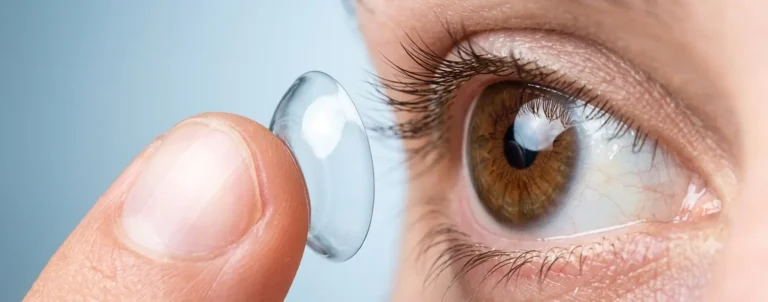
Colored contact lenses should not be worn for about 3 months after SILK eye surgery. This is because contact lenses can introduce infections and also irritate the eye; this can interfere with the healing process. Please check with our eye surgeons for when it is safe to wear coloured contact lenses
SILK eye surgery or other vision correction procedures may not be a safe option for you if you have glaucoma. Glaucoma usually involves elevated intraocular pressure and progressive damage to the optic nerve. A thorough evaluation would be needed to determine your suitability for SILK or vision correction if you have suspected glaucoma or glaucoma.
For most people, SILK permanently reshapes the cornea and corrects your current eye power. However, the eye is a living structure, and as you become older, your vision will undergo age-related changes such as presbyopia and cataract- which may require you to wear specs to see clearly. Presbyopia and cataract will occur even if you don’t get SILK or any vision correction surgery. In a very small number of patients, eye power can be undercorrected, overcorrected or a minor eye power regression can occur; this is due to differences in corneal biomechanics and can usually be corrected by enhancement procedures.
Yes, a prescription of -5 D of myopia is well within SILK's treatable range. However, suitability also depends on corneal thickness, corneal shape, and the health of your eyes overall. A pre-SILKscreening at Shroff Eye Centre will confirm whether SILK is the right choice for your eyes at -5D.
SILK is usually not the procedure of choice for -10 dioptres of myopia. To correct a higher eye power, much more corneal tissue would have to be removed which would leave too little corneal thickness for structural safety and increases risk of post operative complications like corneal ectasia. ICL is a usually a safer choice for patients with myopia greater than -10. ICL (Implantable collamer lens) places a corrective lens inside the eye without removing any corneal tissue to correct eye power so very high eye powers also. At Shroff Eye Centre our surgeons will assess your eyes and help decide which procedure would be best to correct your eye power.
There is no yes or no answer to this question. Refractive procedures like SILK, LASIK etc were not usually recommended; but nowadays, this thinking is changing. If your diabetes is well controlled, and you have no other eye or health problems, your surgeon may consider vision correction. It would require a detailed and honest discussion with your doctor and an understanding that diabetics have a higher risk of slower or abnormal healing, getting infections, retinopathy and other eye problems. Our eye specialists at Shroff Eye Centre will help you understand better if as a diabetic you can get LASIK, SILK or other vision correction procedures.
No, SILK cannot correct cataracts. SILK is a refractive procedure that reshapes the cornea to correct how light enters the eye and correct eye power i.e. myopia and astigmatism. Cataract surgery removes the eye's clouded natural lens and replaces it with an artificial intraocular lens. SILK and cataract surgery both treat similar problems (poor vision) but they are performed by different surgical techniques, on different structures of the eye, for different reasons. Of course their outcomes are similar, i.e. it provides clear vision.
A patient with both a refractive error (myopia, hypermetropia or astigmatism) and a cataract would need cataract surgery, not SILK. This is because once the clouded lens is removed, it is replaced with a powered artificial lens. This corrects both the refractive power along with the cataract. If you are developing an early cataract, our Shroff Eye Centre surgeon will tell you at your assessment and advise on the appropriate path forward.
While Delhi's combination of particulate pollution, seasonal dust, and dry winter air create conditions that can potentially increase eye irritation, it does not interfere with healing or vision recovery after vision correction procedures like SILK, LASIK or PRK.
SILK also has a slight advantage over LASIK as its flapless design carries a lower risk of post-surgical dry eye.
To minimise symptoms of dry eye in Delhi's severely polluted conditions and improve post operative discomfort from dry eye, we advise following precautions in the first week of surgery.
Our surgeons will guide you about precaution after surgery to aid your recovery.
Watch our surgeons explain more about vision correction
 ▶ Watch
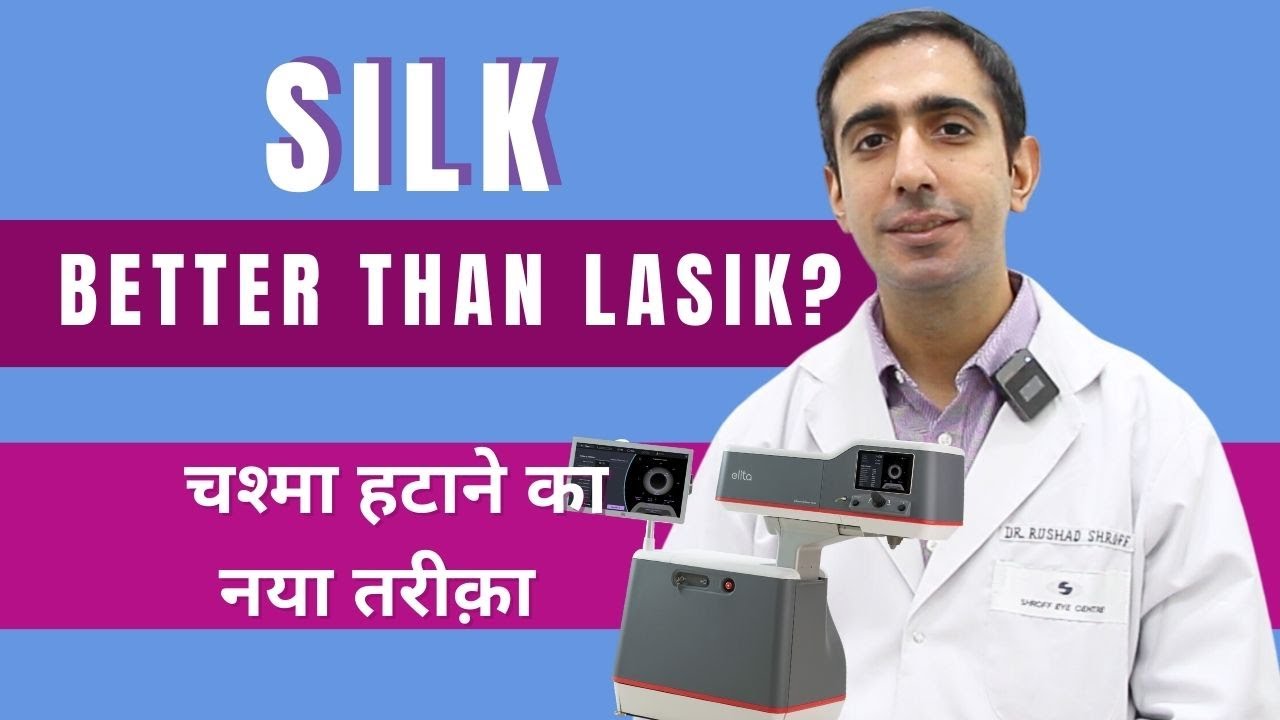
SILK - Kya LASIK se Behtar hai? Newest Specs Removal Tech in 2023
 ▶ Watch
Specs Removal LASIK VS. SILK
 ▶ Watch
PRK & Streamlight Specs Removal Explained by Refractive Specialist
 ▶ Watch
Specs removal After care | Precautions
 ▶ Watch
All Laser Specs Removal Options Made Easy | Eye Specialist Explains
 ▶ Watch
Bina Chashme k Duniya
 ▶ Watch
LASIK Review | Happy Patient | Shroff Eye Centre
 ▶ Watch
Specs-free after SILK 👍🏽 Happy Patients
 ▶ Watch
SILK specs removal Pros & Cons
 ▶ Watch
7 LASIK questions patients ask
Read the latest eye-care articles from Shroff Eye Centre.
Medical content reviewed by Refractive Surgery Team at Shroff Eye Centre
Updated : November 2026