

 Call us
 Email us
 Watch
SILK
Supriya Agrawal
Life without glasses, finally.
LASIK (Laser-Assisted In Situ Keratomileusis) is the world's most performed vision correction procedure, used to correct myopia (short-sightedness), hyperopia (long-sightedness) and astigmatism and remove specs.
A thin corneal flap is created by a femtosecond laser (bladeless LASIK) or a mechanised blade (blade LASIK) on the surface of the cornea after which an excimer laser reshapes the cornea to correct your eye power. The flap is replaced and heals naturally. Most patients achieve clear vision within 24-72 hours and can see clearly without specs or contact lenses. Shroff Eye Centre was among the first in North India to offer modern LASIK surgery almost 25 years ago. Today, we work on the latest advanced ELITA and WAVELIGHT Plus platforms, with a team of 7, highly trained specialists and have helped thousands of patients with specs removal and vision correction.
Hear how specs removal & vision correction worked for our patients
Watch
SILK
Life without glasses, finally.
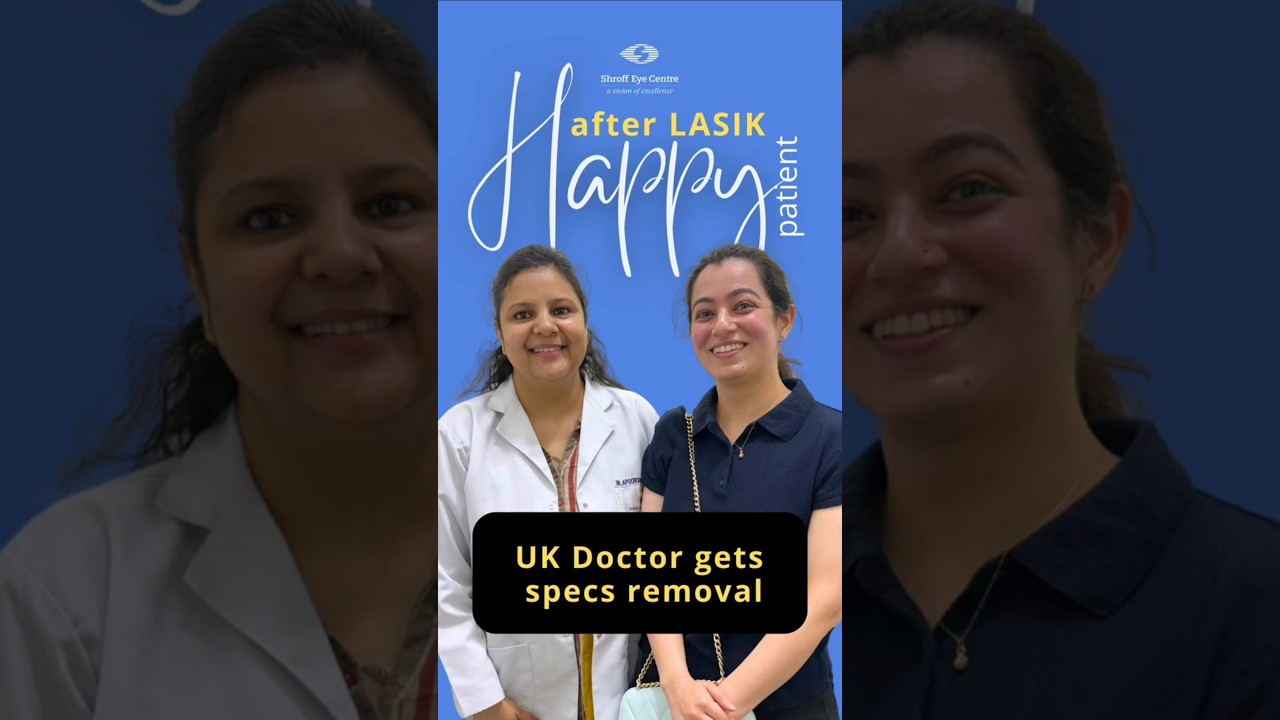 Watch
LASIK
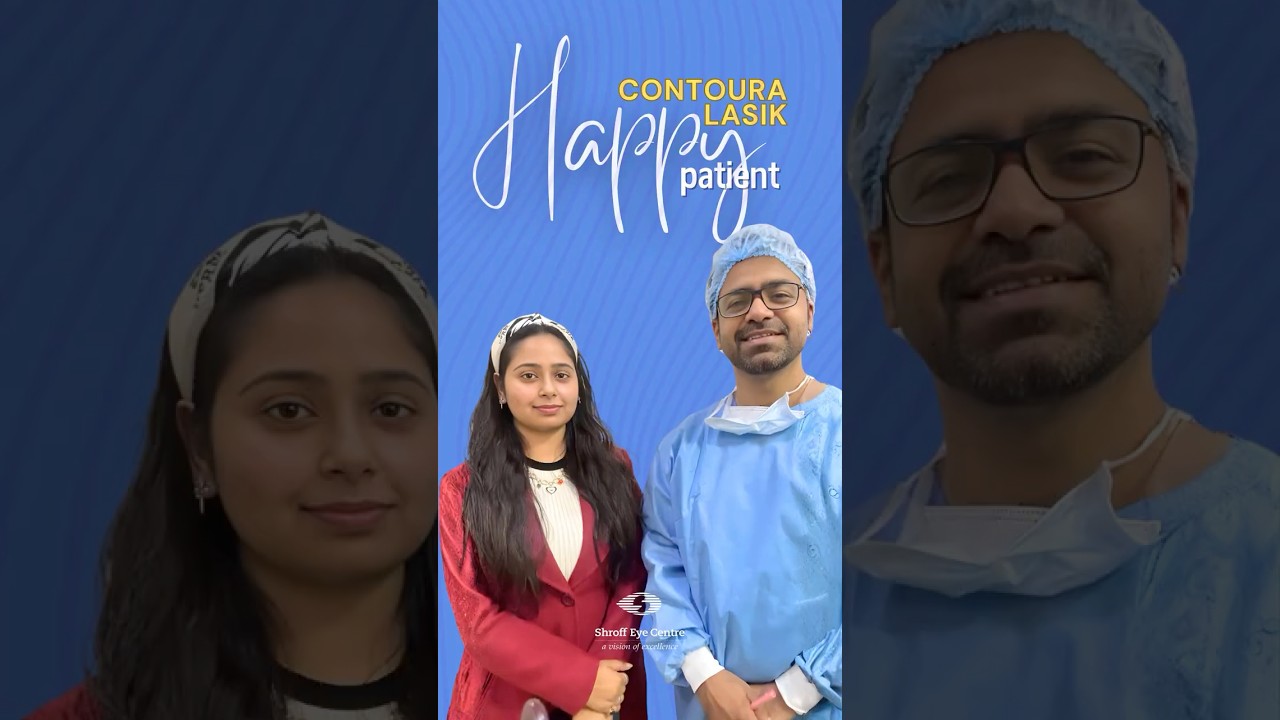
Best decision I ever made for my eyes.
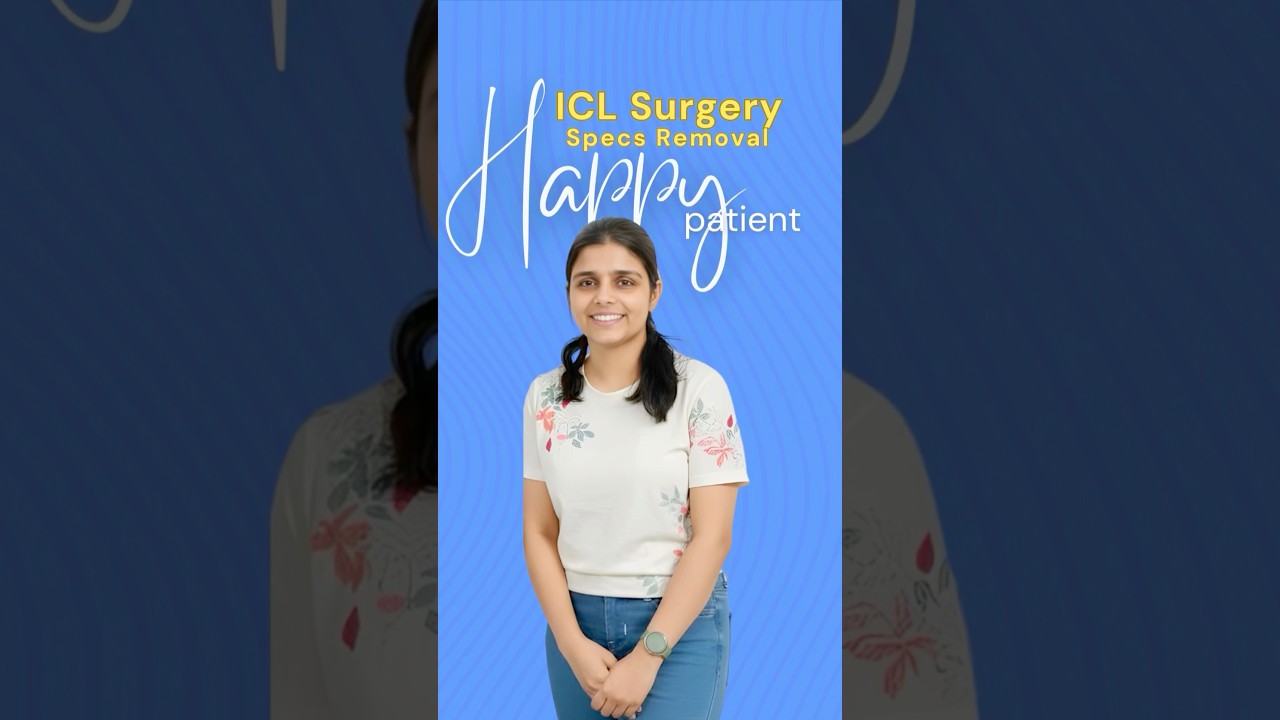 Watch
ICL
High power was never a barrier.
 Watch
PRK
Clear vision for an active life.
There are two main techniques or types of LAISK: Bladeless LASIK and blade LASIK. You can discuss with our surgeons which will be the most appropriate for you.
Bladeless LASIK uses a femto laser to create the corneal flap in the first step instead of a blade- which is why sometimes it is called as FemtoLASIK. The second step of corneal re-shaping is done by an excimer laser. Advantage of Femto LASIK:
The femtolaser ensures that the flap thickness, diameter and angle are controlled with greater accuracy, reducing the variability that comes with a mechanical blade. At Shroff Eye Centre, we use the latest ELITA femtolaser from J&J and Wavelight excimer laser from Alcon to do bladeless Contoura LASIK and Wavelight Plus Sightmap (aka Innoveyes).
Blade lasik utilises a mechanical blade called a microkeratome to create a corneal flap i.e. the first step of lasik. The second step is done using an excimer laser which reshapes the cornea and corrects eye power.
At Shroff Eye Centre, we use the latest Wavelight excimer laser from Alcon.
LASIK, SILK, SMILE & PRK are all laser vision correction procedures which correct eye power but through different techniques with different advantages and tradeoffs. The main difference is the technique: LASIK creates a corneal flap, SILK, SMILE & PRK do not. For a detailed side-by-side comparison of all four procedures, including which is better suited to which patient profile, see our full comparison page
| Procedure | Technique | Recovery | Pain | Suitable for |
|---|---|---|---|---|
| LASIK | flap | 1-2 days | No | Broad range of candidates |
| SILK | flapless | 1-2 days | No | Active lifestyles, sportspersons, armed forces |
| PRK | flapless | 5-7 days | Little discomfort | Thin corneas, sportspersons, armed forces |
| SMILE | flapless | 1-2 days | No | Active lifestyles, sportspersons, armed forces |
Swipe or scroll sideways to view the full table.
LASIK surgery usually takes about 15-20 minutes in total for both eyes. You will feel no pain and are able to go home soon after surgery. Here is a guide to what happens when you come to Shroff Eye Centre for LASIK for vision correction.
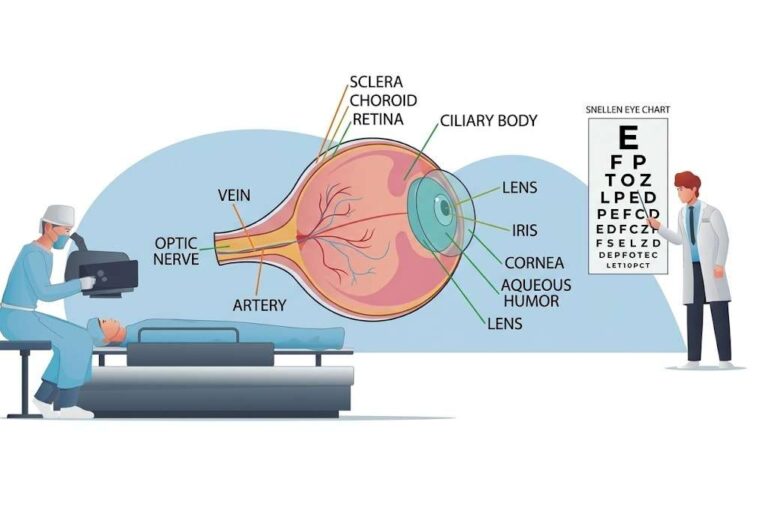
Pre-LASIK surgery checkup is done at least a day before LASIK. It includes detailed eye tests to map and measure your cornea and some other tests. Our surgeons will also discuss other options like SILK if that is better for your eyes.
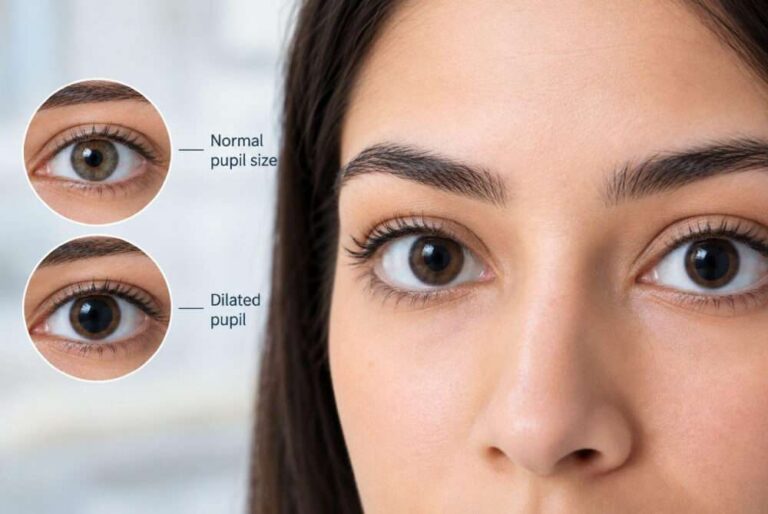
As your eyes are dilated you will not be able to drive after this appointment.
You arrive in time at our calm and quiet refractive surgery suite, change and relax. Your eyes are cleaned. We use topical anesthetic eye drops to ensure your experience is comfortable and pain free. You will need someone to drive you back.
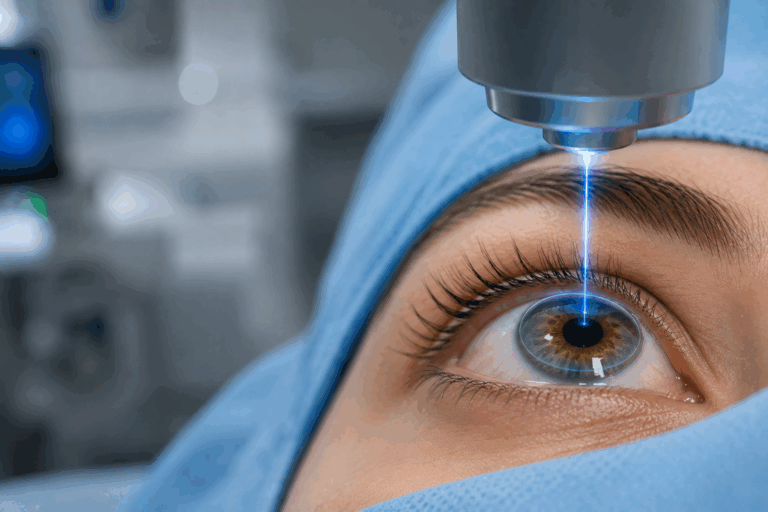
Inside the LASIK Procedure room, you lie down on a comfortable bed and look straight up - first at the ELITA machine and then the Wavelight machine. Our surgeons keep talking and guiding you throughout the procedure.
LASIK is quick (15- 20 minutes) and painless
In LASIK, first a corneal flap is created using a femto laser (bladeless LASIK- at Shroff Eye Centre we use ELITA femto) or with a microkeratome (blade LASIK). The Wavelight machines excimer laser then reshapes your cornea, correcting eye power. The surgeon then gently repositions the flap to allow it to heal naturally. A bandage contact lens may be placed to protect the flap.
After resting for a bit, you can go home soon after the procedure. Remember to rest on the day of the surgery. Follow all precautions and medications as explained by our refractive surgery team. At Shroff Eye Centre, we expect to see you on Day 1, Day7 and Day 30 after your LASIK eye surgery.
Most people have a clear vision the very next day. Your vision will keep clearing up and becoming sharper as the eye heals over the week. Keep following all precautions and medications explained by our doctors.
Answer 3 quick questions to discover which procedure suits you best in 30 seconds
Take our short quiz to find out
Based on your answers, you are likely a good candidate for vision correction. Book a screening to confirm.
Vision correction surgery is recommended for patients who are 18 years or older and have a stable eye power for at least 12 months. Come back once you turn 18!
We will need to see you to advise the best option. Patients over 45 may also be developing presbyopia (reading glass power), which needs to be considered when planning vision correction. Please come in for a consultation.
Shroff Eye Centre is one of the oldest, most trusted and renowned eye hospitals for eye care and vision correction. Some of the reasons why Shroff Eye Centre is one of the most trusted eye hospitals are:

India's most rigorous hospital accreditation and strict quality parameters.

Shroff Eye Centre has a legacy of 4 generations and more than a 100 years dedicated to eyecare.
Amongst the first to start modern LASIK and other vision correction/refractive surgery in Delhi NCR more than 25 years back.

Our eye surgeons have trained extensively in refractive surgery specially and actively involved in award-winning research, teaching and training other surgeons around the world on SILK and other vision correction surgeries. Meet our team

We see about a lakh patients annually from all around the world, who come to Delhi to get their eyes seen at Shroff Eye Centre. We've built this trust over the years by our honest, dedicated and patient-first approach. Don't just take our word, watch our testimonials and reviews below.
We believe in using the latest machines and tech available to deliver patient care.

If a treatment or surgery is not right for you, we will tell you directly. A good surgeon knows how to operate; a better one knows when to operate; but the best knows when NOT to operate. At Shroff Eye Centre, We are proud of (and well-known for) not intervening when not required.
Amongst first to start Modern LASIK and SILK specs removal in India; First to start IOL implants after cataract surgery in Delhi NCR in 1980's; First to begin retina surgery to Delhi; First Vision therapy clinic.
At Shroff Eye Centre, we have been recognised, published and awarded, both in India and internationally, for our work in ophthalmology as well as refractive surgery. Our surgeons are invited to train other surgeons in India and globally on LASIK, SILK and ICL. We have also been a part of industry and public discussions, podcasts and news articles. Achievements
Testimonials from Esteemed Personalities
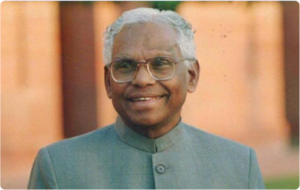
Shri. K. R. Narayanan
Past President Of India
I was delighted to visit Shroff’s Eye Hospital and see that it has been refurbished and expanded in a Spacious and beautiful manner. This well equipped and competently staffed Eye Centre has become a facility of excellence which will be a boon to the people of Delhi. I wish the Shroff Eye Centre the people and saving their eye sight.
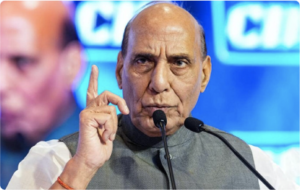
Shri. Raj Nath Singh
Home Minister Of India
I am of firm opinion that Dr. Shroff’s institution is the best eye institution. I am fully satisfied with the care and treatment of my eyes. I had heard lot of praise about this institution, I got the same. I wish all the best for this institution.
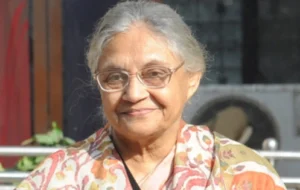
Smt. Sheila Dikshit
Chief Minister Of Delhi
This wonderful clinic gives such comfort and confidence. I moved out feeling so confident to see the world.

Smt. Sharmila Tagore
Actor/Director
I was very well looked after, even pampered. The staff is extremely competent. Every single one of them. The whole atmosphere is truly democratic. No one is given more importance than the other. Thank you. Everyone is treated equally.
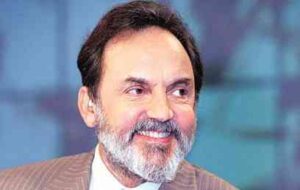
Shri. Prannoy Roy
CEO, NDTV India
This is undoubtedly the finest institution for eyes. Not only is every single staff member highly professional and brilliantly competent, everyone is warm, patient understanding and patient friendly. God bless all of you.
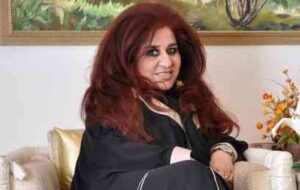
Smt. Shehnaz Hussain
CEO, Shahnaz Herbals
The best eye clinic in the world and Dr. Noshir the last word in eye care.
Our team is highly trained and has decades of experience in vision correction and refractive surgery.
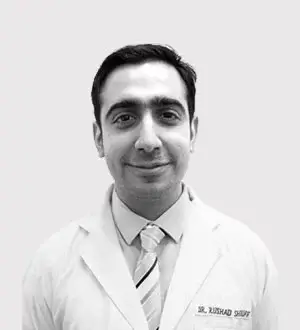
Cataract & IOL Surgery, LASIK ( Refractive Surgery ), Cornea, Conjunctivitis
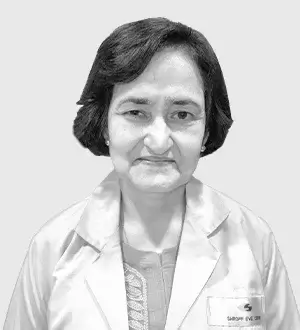
LASIK ( Refractive Surgery ), Cornea, Dry Eye
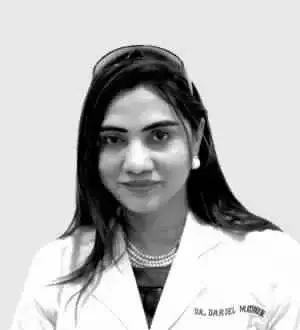
LASIK ( Refractive Surgery ), Cornea, Dry Eye, Conjunctivitis
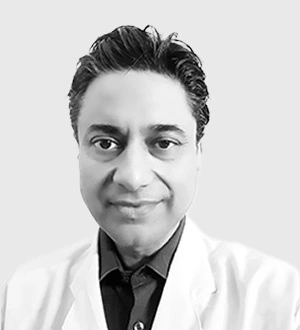
Cataract & IOL Surgery, LASIK ( Refractive Surgery ), General Ophthalmology
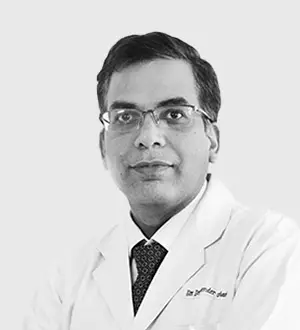
Cataract & IOL Surgery, LASIK ( Refractive Surgery ), Cornea, Dry Eye
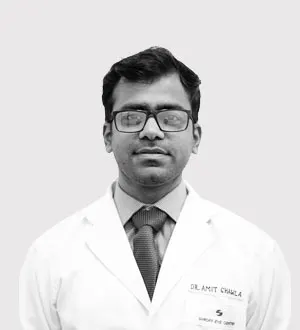
Cataract & IOL Surgery, LASIK ( Refractive Surgery ), Cornea, Dry Eye

Cataract & IOL Surgery, LASIK ( Refractive Surgery ), Cornea, Cataract
Anyone can get LASIK eye surgery for specs removal- but there are some criteria on who is a good candidate for LASIK: You are likely a good LASIK candidate if you:
Suitability for LASIK, or any procedure, can only be confirmed after a thorough pre-operative check-up.
LASIK is one of the amongst the most studied elective surgical procedures in the world and serious risks and side effects are uncommon. However as with any surgical procedure, there are some inherent risks and side effects which patients must be aware of.
LASIK can treat Myopia (upto - 10D), Astigmatism (upto -5D) and hypermetropia (upto + D). provided your corneal thickness and shape are adequate for safe correction.
The LASIK surgery procedure takes 15-20 mins for both eyes and you can head home soon after the procedure.
Shroff Eye Centre has been performing LASIK surgery in Delhi for over 25 years. Our outcomes data spans tens of thousands of procedures across multiple platforms and generations of technology.
From published peer-reviewed literature on LASIK and Contoura LASIK:
Individual outcomes depend on your starting prescription, corneal measurements, age and adherence to post-operative healing and recovery. Your surgeon will give you a clear, realistic expectation at your pre-LASIK assessment based on a well-informed probability depending on your specific clinical profile and our own surgical experience.
Most people can restart screen use from the very next day after LASIK. We recommend you restart screen use gradually over the next one week. This is to prevent eye strain, dry eye and prevent rubbing of eyes.
No, LASIK does not hurt as we use topical anesthesia (anesthetic eye drops) before starting the procedure. Some patients report a pressure sensation on their eye but there is no pain or discomfort. You will not feel the laser on your eye. During recovery, there is no pain either as the top layer of cornea or epithelium is intact and the flap seals slowly.
The cost of LASIK surgery depends on the type of LASIK surgery- blade LASIK, Femto Contoura or Femto Wavelight Plus Innoveyes. In Delhi it ranges from Rs. 35000 to Rs. 1.55 lacs. At Shroff Eye Centre, the cost of LASIK surgery includes pre-surgery investigations, procedure, follow-ups at day 1, week 1, week 4.
EMI options via ZeroPe are available at Shroff Eye Centre. Ask at your pre-LASIK consultation at Shroff Eye Centre.
Full cost breakdown and EMI details: Why is LASIK so expensive?
At Shroff Eye Centre, we do a thorough pre-LASIK assessment which includes a detailed refraction and eye pressure test, corneal thickness, shape and topography, a retina check and a detailed cornea and eye check and consult with our highly trained eye specialists. After the tests, our eye specialists also discuss with you which specs removal and vision correction eye surgery would be best for you. This pre-operative eye checkup usually takes approximately 90-180 minutes at Shroff Eye Centre.
Most patients are able to see clearly soon after LASIK vision correction within 24-72 hours. Full visual recovery takes a little longer, with vision continuing to clear over 7-10 days and full healing of the cornea taking a few weeks. Most precautions continue for about a month after LASIK for most patients but healing happens at a different rate for everyone so it’s best to speak with your eye surgeon about your eyes.
Read more here
LASIK is one of the most extensively studied elective surgical procedures in the world, with over 40 million procedures performed globally since the 1990s. Serious complications are uncommon and published literature reports major complication rates well below 1% in properly screened patients.
The most important safety factor is thorough patient selection; the pre-operative assessment identifies for whom the procedure is suitable. It is important, however, to remember that LASIK Eye Surgery is not the right choice for everybody. At Shroff Eye Centre, our NABH accreditation, 30+ years of refractive surgical experience and the ELITA & WAVELIGHT platform help ensure the safety of every LASIK procedure we perform.
For the majority of suitable patients, LASIK provides long-lasting vision correction. The corneal reshaping is permanent and does not reverse or wear off. However, the eye is a living structure and undergoes natural changes.
Age-related changes like presbyopia and cataract can affect vision over time independently of the surgery. Presbyopia is a gradual loss of reading vision that affects almost everyone from their mid-forties onwards. Presbyopia will still occur after LASIK, just as it would have if you don’t get LASIK. Cataract also develops in most patients in their fifties, leading to clouded vision and cataract surgery with lens replacement is the treatment.
A small number of patients may also experience minor prescription regression over years, particularly those with higher starting prescriptions, in which case an enhancement may be possible. For most patients in their twenties and thirties, LASIK provides decades of clear vision.
LASIK may not be suitable for you if:
Being unsuitable for LASIK does not mean being unsuitable for vision correction. Many patients are good candidates for other vision correction procedures (SILK, PRK, ICL) and our surgeons will discuss what that is at your consultation.
Suitability for LASIK, or any procedure, can only be confirmed after a thorough pre-operative check-up. The success of the LASIK surgery depends on meeting the safety criteria. Please share all health related information with your eye surgeon to help them make the best decision for you.
It is very important to follow all precautions after LASIK surgery for optimal healing and visual recovery. Use your eye drops, no water must enter eyes for 1 week, no rubbing your eyes. You can resume light exercise after about a week but heavy exercise, boxing, gymming, swimming and adventure or contact sports have to be avoided for at least a month. Makeup is not allowed for a month. Day time driving is usually permitted once vision fully clears in a week but night time driving may be avoided longer if you have glare and halos. Always follow your doctors advice.
For more detailed list of precations, read our blog or watch the video on Specs Removal Aftercare: Essential precautions for a safe and smooth recovery after SILK, LASIK, PRK. Do reach out to your eye surgeon in case of any doubt.
No, you cannot wear makeup for around 4 weeks after LASIK eye surgery. You must avoid all eye makeup, including mascara, eyeliner, eyeshadow, eye shadow, under-eye creams etc till your flap heals fully. Makeup products can irritate and even transfer infections into your eye though the flap, which is why you must stay away from eye makeup till our doctors give you the go ahead.
LASIK is usually not recommended if you have a pre-existing dry eye as LASIK can sometimes aggravate and worsen dry eye. In Delhi specifically, where dry polluted air and heavy screen use are common, this question is asked a lot.
Some patients may experience temporary dry eye after LASIK which usually resolves in a few weeks. SILK may be a slightly better option in those with occasional symptoms of dry eyes because fewer corneal nerves are disrupted when there is no flap created. At Shroff Eye Centre, we assess your dry eye to ensure safer outcomes.
You can resume walking as soon as your vision clears after LASIK which is usually within 72 hours of LASIK. Light exercise and gymming may be started a week after LASIK as soon as the doctor gives a go ahead. Heavy exercise, gymming, boxing, contact and adventure sports etc should be avoided for at least a month after LASIK eye surgery and started only after your surgeon gives you the go ahead.
You will be unable to drive on the day of your surgery and it’s best to ask someone to accompany your home. Most patients can start driving in daytime a few days after LASIK but nig driving may be restricted for a while longer. Our eye surgeons will assess your vision at your day 1 and week 1 follow-up to confirm when driving is safe for you.
This depends on your policy and policy provider. Most insurance companies do not cover LASIK and other vision correction procedures as it is considered an optional and cosmetic procedure. Some private insurances may cover LASIK but you will have to check with your provider.
Both are the same in terms of technique- corneal flap creation and eye power correction is the LASIK technique. The difference lies in the technology being used to perform the LASIK.
Traditional LASIK corrects your spectacle prescription for the spherical and cylinder values on your glasses and is performed by an excimer laser on platforms other than Wavelight. Contoura LASIK is performed by the Wavelight platform by Alcon and does this and additionally maps and treats the unique microscopic surface irregularities on your cornea using 22,000 elevation points. These corneal irregularities, which exist in every eye and are distinct from your spectacle prescription, contribute to visual quality issues such as glare, halos, and reduced contrast sensitivity. By treating the irregularities as well as the prescription, Contoura LASIK can improve visual quality and acuity better than standard LASIK. Standard LASIK also remains a good choice when done maintaining safety criteria.
LASIK (Laser-Assisted In Situ Keratomileusis) is a laser eye surgery that corrects myopia, hyperopia and astigmatism by reshaping the cornea. A femtosecond laser creates a thin corneal flap; an excimer laser then reshapes the tissue beneath to correct your prescription; the flap is repositioned and heals naturally. The procedure takes approximately 10-15 minutes per eye. Most patients achieve clear vision within 24 hours and return to work within two to three days.
Read in detail here
LASIK and EpiLASIK (aka PRK) are both laser based vision correction procedures with the main difference in technique: a corneal flap is raised in LASIK whereas PRK is a flap-less procedure.
In LASIK eye surgery, the top layer of cornea is lifted by creating a corneal flap using a femto laser or a blade and then the cornea underneath is treated with an excimer laser. This corrects the corneal shape and eye power. As the top layer or epithelium is left intact, visual recovery is quick, usually 24-72hours, and there is minimal discomfort during recovery.
In EpiLASIKPRK, the cornea's outer epithelial layer is removed with a chemical or a laser (STREAMLIGHT) and the cornea underneath is reshaped by the excimer laser to correct eye power. The epithelium takes three to five days to regenerate, during which vision is blurred and discomfort is common.
Recovery after PRK is longer and less comfortable than after LASIK or SILK. However, PRK, LASIK and SILK- all are great choices for vision correction. In those with active lifestyles, or those who play contact sports and combat professionals, PRK and SILK are preferred choices for vision correction instead of LASIK. PRK also remains a sound option for patients with thinner or irregular corneas, that is those who are not suitable for LASIK or SILK.
LASIK is one of the most studied elective surgical procedures in the world. Serious complications are uncommon; this is why it’s essential to get a proper pre-LASIK checkup and follow post-LASIK precautions for optimal recovery. However as with any procedure, there are some inherent risks and some patients may experience some side effects.
This is why we do not recommend LASIK, or any procedure, unless we have clinically examined you and our clinical assessment supports it.
Yes, LASIK corrects myopia with or without astigmatism, and hyperopia with or without astigmatism. Contoura LASIK (blade or bladeless) is effective for patients with astigmatism as it corrects the cylindrical prescription and addresses the corneal surface irregularities that astigmatism is associated with.
Enhancement after a previous flapless procedure is more complex than after LASIK. Because no flap was created in SILK or SMILE, re-lifting a flap for a LASIK-style enhancement is not possible.
Trans-PRK or Epilasik (surface ablation) is usually preferred as enhancement after SILK or SMILE as it reshapes the cornea directly. This is usually possible for most patients with sufficient residual corneal thickness, but requires careful measurement and planning. If you have had a previous corneal laser procedure elsewhere and are considering enhancement, please bring all your previous scans and documents as these will help us calculate and perform enhancement safely.
While Delhi's combination of particulate pollution, seasonal dust, and dry winter air create conditions that can potentially increase eye irritation, it does not interfere with healing or vision recovery after vision correction procedures like SILK, LASIK or PRK.
To minimise symptoms of dry eye in Delhi's severely polluted conditions and improve post operative discomfort from dry eye, we advise following precautions in the first week of surgery.
Our surgeons will guide you about precaution after surgery to aid your recovery.
This is not a straightforward yes or no question. Refractive procedures like LASIK, SILK, PRK, ICL etc were not usually recommended in chronic health conditions like diabetes which affect the eyes; but nowadays, this thinking is changing. If your diabetes is well controlled, and you have no other eye or health problems, your surgeon may consider vision correction. It would require a detailed and honest discussion with your doctor and an understanding that diabetics have a higher risk of slower or abnormal healing, acquiring infections, retinopathy and other eye problems. Our eye specialists at Shroff Eye Centre will help you understand better if as a diabetic you can get LASIK, SILK or other vision correction procedures.
No, LASIK cannot correct cataracts. LASIK is a refractive procedure that reshapes the cornea to correct how light enters the eye and correct eye power i.e. myopia and astigmatism. Cataract surgery removes the eye's clouded natural lens and replaces it with an artificial intraocular lens to restore clear vision. LASIK and cataract surgery both treat similar problems (poor vision) but they are performed by different surgical techniques, on different structures of the eye, for different reasons. Of course their outcomes are similar, i.e. it provides clear vision.
A patient with both a refractive error (myopia, hypermetropia or astigmatism) and a cataract would need cataract surgery, not LASIK. This is because once the clouded lens is removed, it is replaced with a powered artificial lens. This corrects both the refractive power along with the cataract. This is not the same as RLE or refractive lens exchange. If you are developing an early cataract, our Shroff Eye Centre surgeon will tell you at your assessment and advise on the appropriate path forward.
Innoveyes is the older name for Sightmap- a ray tracing algorithm which helps perform lasik on Wavelight plus. Innoveyes is not a new type of treatment; the procedure is still LASIK.
It is a LASIK treatment planning platform that utilizes ray tracing technology to create a detailed map of the aberrations on the cornea and integrates this map into the LASIK treatment being done by the Wavelight platform (Wavelight Plus). Some small studies have shown good results and a slight advantage in correcting some aberrations but large multi-centre trials are still in-process and a clear advantage over wave-scan based technology (topography guided LASIK) is not yet fully established.
Yes, LASIK can usually correct eye power of -8D (myopia) provided your corneal thickness is adequate and you meet other safety criteria. For high myopia (eye powers above -10D), ICL is usually a safer choice. At Shroff Eye Centre our surgeons will assess your eyes and help decide which procedure would be best to correct your eye power.
Contoura is the name of the second step of the LASIK procedure (after creation of the flap) as it utilises topography guided maps to reshape the cornea using an excimer laser. It is performed by Alcon’s Wavelight platform. The advantage is that the Contoura LASIK maps 22,000 unique elevation points across your corneal surface, creating a three-dimensional topographic map of your eye's individual irregularities. The result is a more personalised correction which treats eye power and minor imperfections on the surface.
It is one of the most advanced LASIK techniques available globally.
Contoura LASIK is t available at Shroff Eye Centre and is the procedure our surgeons most frequently recommend for suitable candidates.
See full page: Contoura LASIK at Shroff Eye Centre
Claiming to be the only best LASIK surgeon in Delhi NCR would be unethical- what we can claim to be is one the oldest eye centres doing modern refractive surgery like LASIK, SILK etc with highly experienced and trained doctors. Our cornea & refractive team is led by Dr Ritu Arora (ex-head of Guru Nanak Eye Centre) who’s vast experience is unmatched in Delhi, along with Dr Dariel Mathur (one of the most well known doctors for LASIK), Dr Rushad Shroff (one of the most awarded and popular eye surgeons-check out reviews), Dr Amit Chawla, Dr Ranjan Dutta and Dr. Apoova Aggrawal.
Shroff Eye Centre offers all types of LASIK and LASIK alternatives like SILK, PRK, Streamlight and ICL. We perform what is popularly (if not strictly or technically correct) called “FemtoContoura LASIK” and “Wavelight plus Sightmap/ Innoveyes LASIK”. You can discuss with our surgeons which will be the most appropriate for you. Call Shroff Eye Centre to book your apointment
Watch our surgeons explain more about vision correction
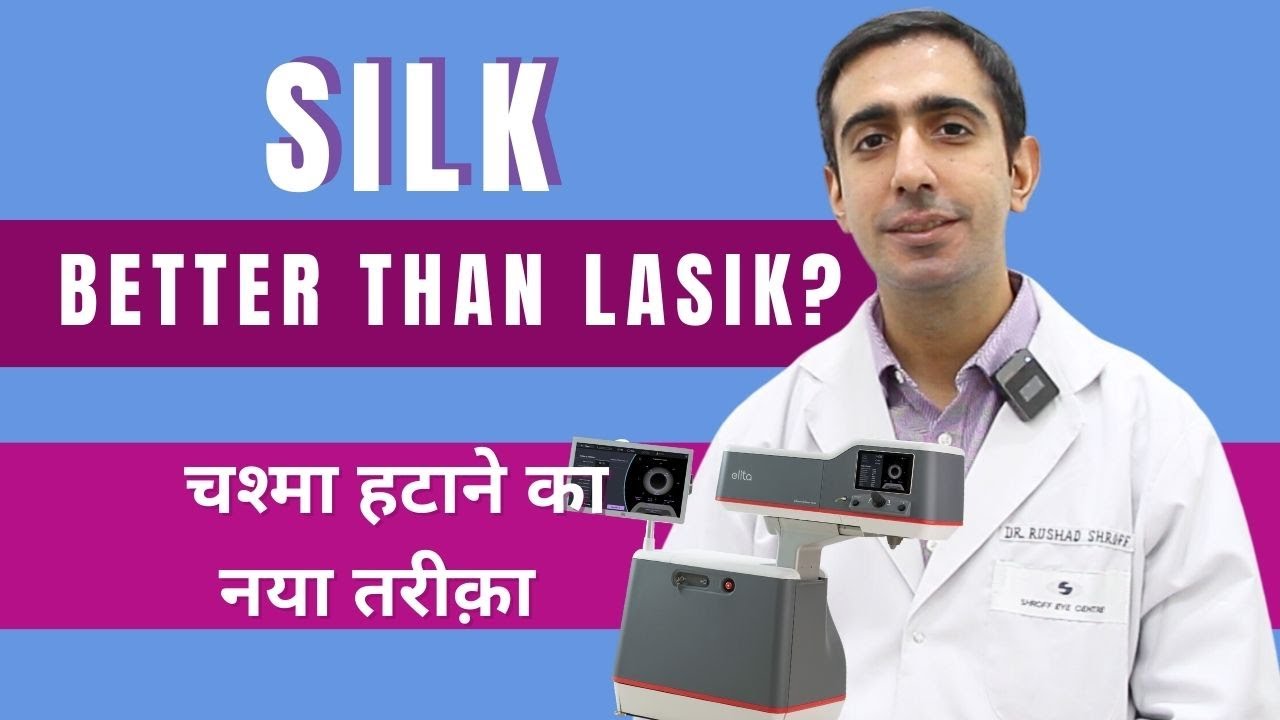 ▶ Watch
SILK - Kya LASIK se Behtar hai? Newest Specs Removal Tech in 2023
 ▶ Watch
Specs Removal LASIK VS. SILK
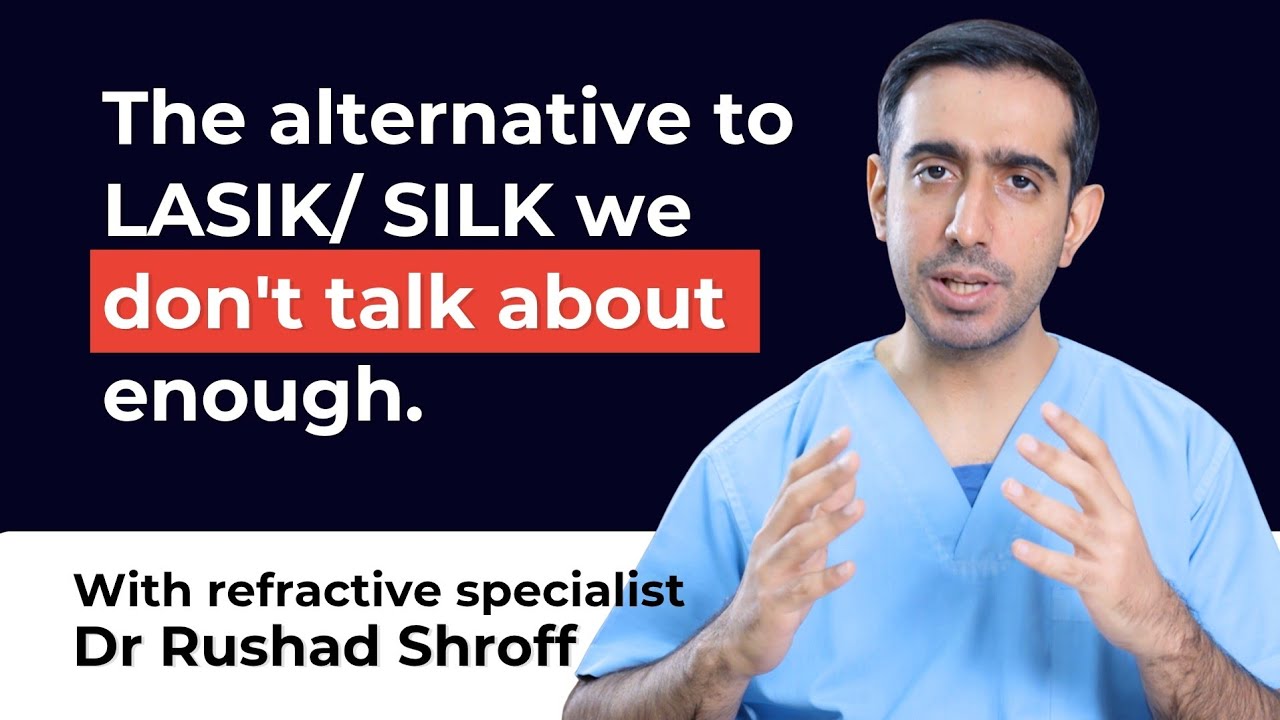 ▶ Watch
PRK & Streamlight Specs Removal Explained by Refractive Specialist
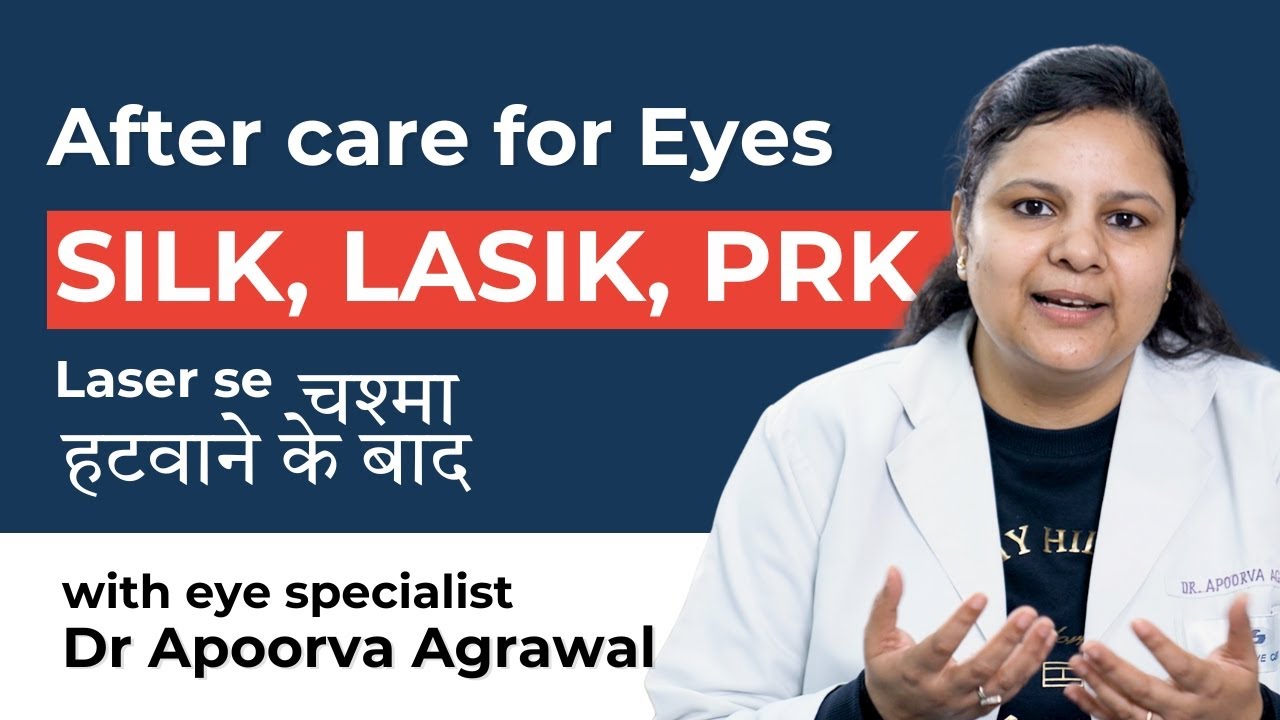 ▶ Watch
Specs removal After care | Precautions
 ▶ Watch
All Laser Specs Removal Options Made Easy | Eye Specialist Explains
 ▶ Watch
Bina Chashme k Duniya
 ▶ Watch
LASIK Review | Happy Patient | Shroff Eye Centre
 ▶ Watch
Specs-free after SILK 👍🏽 Happy Patients
 ▶ Watch
SILK specs removal Pros & Cons
 ▶ Watch
7 LASIK questions patients ask
Read the latest eye-care articles from Shroff Eye Centre.
Medical content reviewed by Refractive Surgery Team at Shroff Eye Centre
Updated : November 2026