

 Call us
 Email us
 Watch
ICL
Rishabh Luthra
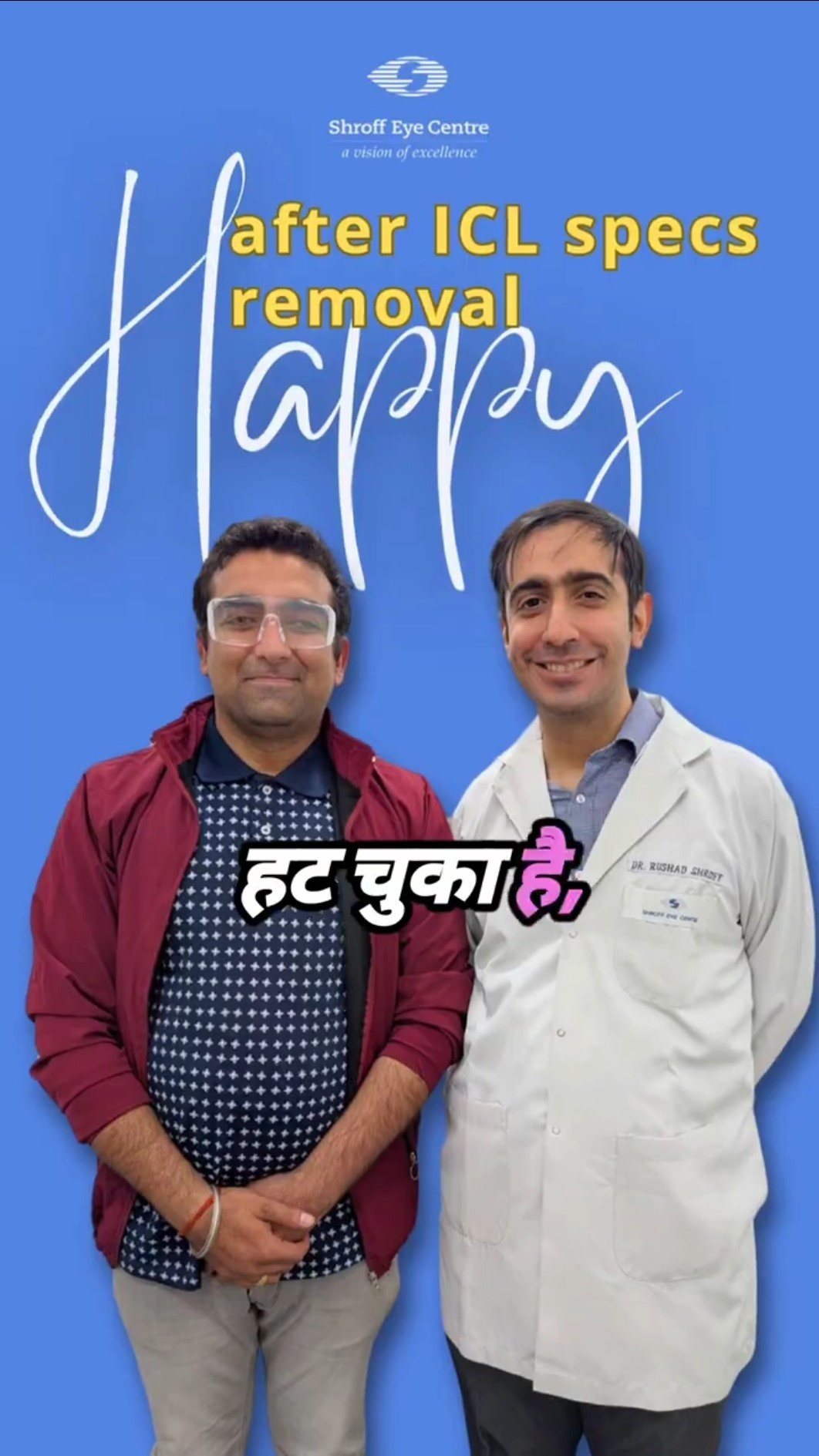
Chashma hat gaya ICL ke baad
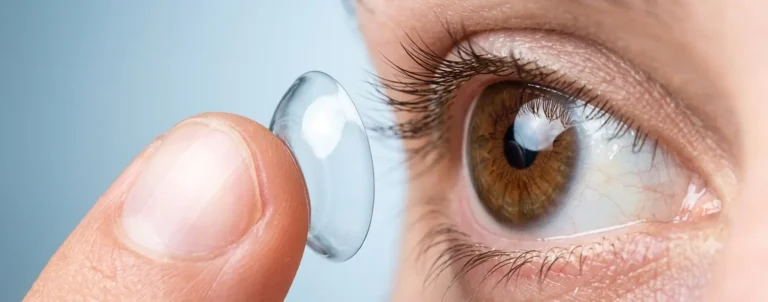
ICL corrects eye power for those with high myopia, hypermetropia and astigmatism. It stands for Implantable Collamer Lens (also called an Implantable Contact Lens) and is made with a small, soft lens made of a biocompatible material called collamer. ICL corrects eye power by adding a powered lens inside the eye, in front of your natural lens. ICL can correct short-sightedness (myopia), long-sightedness (hyperopia), astigmatism, and short-sightedness. The biggest advantage of ICL is that it can correct vision in those with very high eye powers and thinner corneas, where LASIK, SILK & PRK are not safe. At Shroff Eye Centre, ICL is done by a team of 7 specially trained refractive eye surgeons who perform thousands of successful surgeries every year.
Hear how specs removal & vision correction worked for our patients
Watch
ICL
Chashma hat gaya ICL ke baad
 Watch
ICL
High myopia & astigmatism treated with ICL
 Watch
ICL
Corrected high myopia with ICL
 Watch
ICL
From thick glasses to no glasses
LASIK, SILK and PRK are all laser based procedures which reshape your cornea to correct your eye power. ICL, on the other hand, is a surgical procedure and does not reshape your cornea. Instead, a powered lens, called ICL, is placed inside your eye and this corrects your eye power.
As no corneal tissue is removed, ICL can work for people who are not suitable for laser based procedures, such as those with very high eye power or thinner or irregular corneas. ICL is also reversible unlike LASIK, SILK or PRK; if ever needed, an eye surgeon can take the lens out. Which procedure is best for your eyes can be decided only after a detailed pre-surgery refractive eye checkup.
ICL surgery is quick - the lens is usually implanted in under 30 minutes. You stay awake, and there is no pain. Here is what happens when you come to Shroff Eye Centre for ICL surgery.
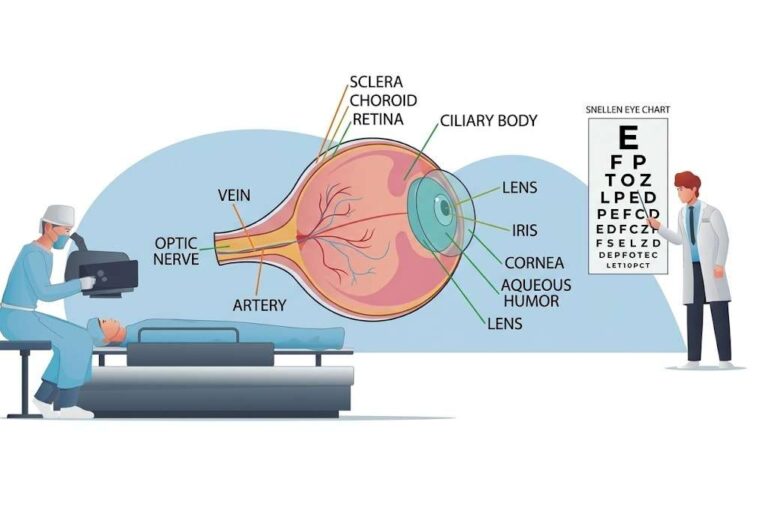
Pre-ICL surgery checkup is done at least a few days before your surgery and includes detailed eye tests to map and measure your cornea, dry eye and eye pressure and glaucoma, retina and some other eye measurements which help as decide if ICL is safe for you and the lens power required. After this you have a consultation with our eye surgeons and counselors to ask questions and clear any doubts. Our surgeons will also let you know if the procedure will not be safe for you at this time.
The surgery cannot be scheduled earlier than at least 7-10 days after a consultation as the lens is custom-made for you and has to be ordered specially.
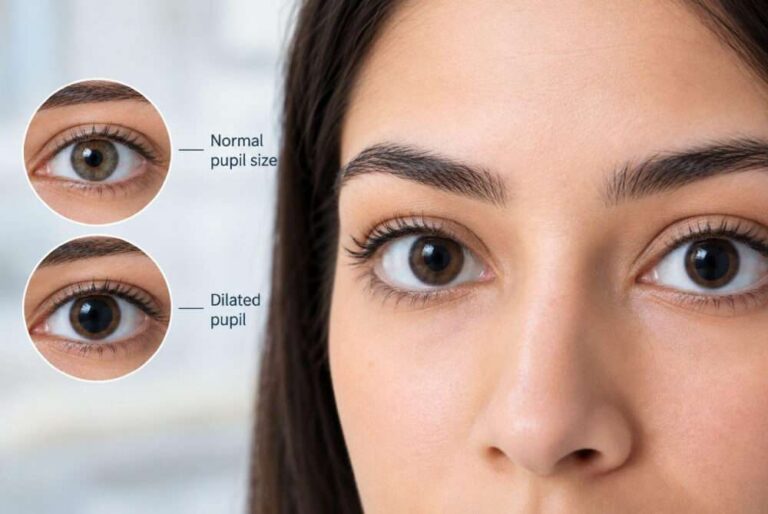
Your eyes are dilated for the checkups and you will not be able to drive after this appointment.
Before ICL surgery- pre-ICL instructions read here.
You arrive at our in-patient area, change your clothes and relax. Your eyes are cleaned and numbing (anaesthetic) eye drops along with antibiotic eye drops are started so the whole experience is comfortable and pain-free. Please bring someone with you who can accompany you back home after the ICL procedure..
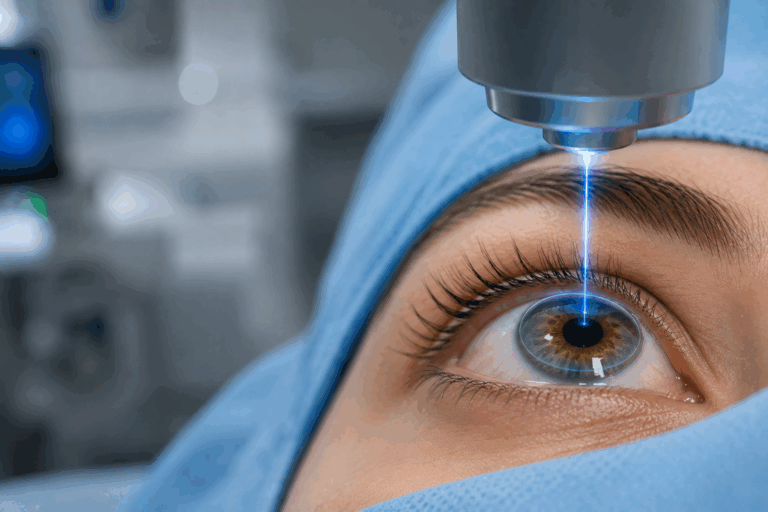
You go to the main operating theaters. Your eyes are cleaned. ICL is pain free- You will feel nothing except a mild pressure sensation in your eye.
ICL is also quick. The procedure itself takes under 30 mins for both eyes. Your surgeon will make a tiny opening at the edge of your cornea, gently insert the ICL, and position it neatly behind your iris and in front of your natural lens.
Our surgeons keep talking to you and guiding you throughout to help you relax and stay calm.
After a short period of observation at the hospital, you can go home the same day. Your surgeon checks that the lens is sitting correctly before you rest.
Your vision will be blurry for the initial few days.
Keep following all post-ICL precautions and medications explained by our doctors.
Remember to come for your follow up visits to make sure the eye is healing well. At Shroff Eye Centre, we expect to see you on Day 1, Day7 and Day 30 after your ICL eye surgery.
In case your blurriness increases or you have a drop in vision or if you feel a sharp consistent pain in your eyes, a headache which won’t subside or any other discomfort, please visit us or reach out to us urgently.
The tiny opening seals itself, so usually no stitches are needed. Expect vision to clear up in 7-10 days and keep becoming sharper over the next few weeks.
Answer 3 quick questions to discover which procedure suits you best in 30 seconds
Take our short quiz to find out
Based on your answers, you are likely a good candidate for vision correction. Book a screening to confirm.
Vision correction surgery is recommended for patients who are 18 years or older and have a stable eye power for at least 12 months. Come back once you turn 18!
We will need to see you to advise the best option. Patients over 45 may also be developing presbyopia (reading glass power), which needs to be considered when planning vision correction. Please come in for a consultation.
ICL has a long and strong safety record, and serious problems are uncommon in properly screened patients. But ICL is surgery inside the eye, and carries an inherent risk. Some of the risks are outlined below:
Shroff Eye Centre is one of the oldest, most trusted and renowned eye hospitals for eye care and vision correction. Some of the reasons why Shroff Eye Centre is one of the most trusted eye hospitals are:

India's most rigorous hospital accreditation and strict quality parameters.

Shroff Eye Centre has a legacy of 4 generations and more than a 100 years dedicated to eyecare.
Amongst the first to start modern LASIK and other vision correction/refractive surgery in Delhi NCR more than 25 years back.

Our eye surgeons have trained extensively in refractive surgery specially and actively involved in award-winning research, teaching and training other surgeons around the world on SILK and other vision correction surgeries. Meet our team

We see about a lakh patients annually from all around the world, who come to Delhi to get their eyes seen at Shroff Eye Centre. We've built this trust over the years by our honest, dedicated and patient-first approach. Don't just take our word, watch our testimonials and reviews below.
We believe in using the latest machines and tech available to deliver patient care.

If a treatment or surgery is not right for you, we will tell you directly. A good surgeon knows how to operate; a better one knows when to operate; but the best knows when NOT to operate. At Shroff Eye Centre, We are proud of (and well-known for) not intervening when not required.
Amongst first to start Modern LASIK and SILK specs removal in India; First to start IOL implants after cataract surgery in Delhi NCR in 1980's; First to begin retina surgery to Delhi; First Vision therapy clinic.
At Shroff Eye Centre, we have been recognised, published and awarded, both in India and internationally, for our work in ophthalmology as well as refractive surgery. Our surgeons are invited to train other surgeons in India and globally on LASIK, SILK and ICL. We have also been a part of industry and public discussions, podcasts and news articles. Achievements
Testimonials from Esteemed Personalities
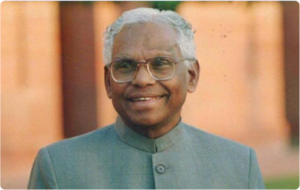
Shri. K. R. Narayanan
Past President Of India
I was delighted to visit Shroff’s Eye Hospital and see that it has been refurbished and expanded in a Spacious and beautiful manner. This well equipped and competently staffed Eye Centre has become a facility of excellence which will be a boon to the people of Delhi. I wish the Shroff Eye Centre the people and saving their eye sight.

Shri. Raj Nath Singh
Home Minister Of India
I am of firm opinion that Dr. Shroff’s institution is the best eye institution. I am fully satisfied with the care and treatment of my eyes. I had heard lot of praise about this institution, I got the same. I wish all the best for this institution.
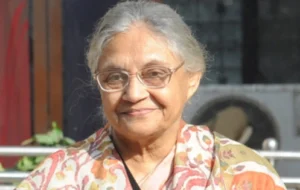
Smt. Sheila Dikshit
Chief Minister Of Delhi
This wonderful clinic gives such comfort and confidence. I moved out feeling so confident to see the world.

Smt. Sharmila Tagore
Actor/Director
I was very well looked after, even pampered. The staff is extremely competent. Every single one of them. The whole atmosphere is truly democratic. No one is given more importance than the other. Thank you. Everyone is treated equally.

Shri. Prannoy Roy
CEO, NDTV India
This is undoubtedly the finest institution for eyes. Not only is every single staff member highly professional and brilliantly competent, everyone is warm, patient understanding and patient friendly. God bless all of you.

Smt. Shehnaz Hussain
CEO, Shahnaz Herbals
The best eye clinic in the world and Dr. Noshir the last word in eye care.
Our team is highly trained and has decades of experience in vision correction and refractive surgery.
Cataract & IOL Surgery, LASIK ( Refractive Surgery ), Cornea, Conjunctivitis
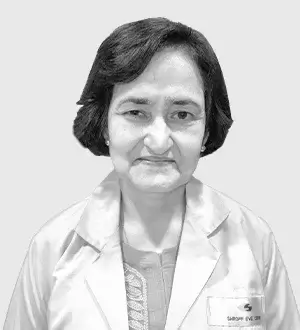
LASIK ( Refractive Surgery ), Cornea, Dry Eye

LASIK ( Refractive Surgery ), Cornea, Dry Eye, Conjunctivitis

Cataract & IOL Surgery, LASIK ( Refractive Surgery ), General Ophthalmology

Cataract & IOL Surgery, LASIK ( Refractive Surgery ), Cornea, Dry Eye

Cataract & IOL Surgery, LASIK ( Refractive Surgery ), Cornea, Dry Eye

Cataract & IOL Surgery, LASIK ( Refractive Surgery ), Cornea, Cataract
Frequently asked questions about ICL surgery
Most people can get ICL eye surgery for specs removal provided they meet the safety criteria for ICL. You must
ICL suits many people who want to be free of glasses or contacts, and it is especially useful for those who cannot have LASIK or SILK. Final suitability can only be confirmed after a proper eye check.
ICL can correct short-sightedness (myopia) and long-sightedness (hyperopia), with or without astigmatism. It is often chosen for high eye power that is beyond the usual range for LASIK. ICL can treat eye powers upto -
No, ICL does not hurt as numbing (anaesthetic) eye drops are used before the procedure. Some patients report a mild sensation of pressure during surgery, but pain is not usually reported.
ICL is one of the most established and longest-studied ways to correct high eye power, with a clinical track record spanning more than 30 years worldwide. For suitable patients, especially those with high myopia or hypermetropia, it provides sharp, stable vision with reduced or no dependence on glasses. Because your natural lens stays in place, your eye keeps its natural ability to focus, and the lens can be removed later if ever needed.
Individual outcomes depend on your starting eye power, the health of your eye, how well you follow your post-surgery care and individual healing patterns.
Many patients notice their vision improving very soon after ICL. You can go home the same day after a period of observation and resume activities from the following week. Your surgeon will prescribe eye drops and schedule follow-up visits. Avoid touching your eyes and don’t allow water to enter your eyes- precautions will be explained to you after surgery.
You can resume walking and light exercise as soon as your vision clears. Strenuous exercise should be avoided for around 1-2 weeks. Water sports and swimming should be avoided for around 4 weeks after ICL. Always check with your surgeon and follow their advice.
Generally there are no restrictions on flying after ICL. We do need you to come in for your follow-up appointments on schedule so please plan your travel accordingly. Also make sure you follow all instructions from your surgeon even when traveling. Please always check with your surgeon.
No, you do not usually feel the ICL once it is in place, and it cannot be seen by other people. It sits quietly behind the coloured part of your eye. An ophthalmologist can see it though, on a slit lamp.
ICL surgery usually costs more than LASIK or SILK. This is because the lens itself is expensive- it is a customised precision medical device made specially for you, based on your eye measurements. The exact cost depends on the lens type. Cost of ICL starts around Rs. 1.6 lacs and upwards in most private eye hospitals in Delhi. A toric ICL (for astigmatism) is priced higher than a standard ICL. EMI options via ZeroPe are available at Shroff Eye Centre. Ask at your pre-ICL consultation. To get an ICL cost estimate, call us on 9910956780.
Why ICL costs more than LASIK - and is it worth it?
ICL is designed for long-term, permanent vision correction. At the same time, it is removable. A surgeon can take the lens out or exchange it if ever required. Your natural lens is not removed and stays in place.
The aim of ICL is to reduce or remove your dependence on glasses and contacts. Many patients no longer need glasses for daily life. Some may still need them in certain situations, and those who need reading glasses may still need them for very fine print such as clothing labels. Your surgeon will set clear, honest expectations for your eyes.
Yes, ICL is usually possible in patients with thinner or irregular corneas. Because ICL adds a lens and does not remove any corneal tissue, it can be a safe option for people with thin corneas who are not suitable for LASIK. Your surgeon will confirm this at your assessment.
As ICL does not create a corneal flap or reshape the cornea's surface, it disturbs fewer corneal nerves than LASIK and carries a lower risk of dry eye than LASIK.
Cataract is a clouding of your natural lens over time. Modern ICL designs are built to lower this risk of developing early cataracts, but many patients do develop cataracts earlier than that may have. The treatment of cataract is cataract surgery with intraocular lens replacement. It is different from ICL because in cataract surgery, the natural lens of the body (which has become clouded and thus reducing vision) is replaced by an artificial intra-ocular lens (IOL). In ICL, the natural lens is not removed.
At Shroff Eye Centre, your pre-ICL assessment includes a detailed eye power and pressure test, corneal thickness and shape, measurement of the space inside your eye, a retina and a glaucoma check by specialists, and finally a consultation with our refractive eye specialists. Our refractive surgeons will discuss with you if vision correction surgery is safe for your eyes and what to expect after ICL surgery.
At Shroff Eye Centre, we do a thorough pre-ICL eye checkup which includes a detailed refraction and eye pressure test, corneal thickness, shape and topography, lens power calculation, measuring the pupil, glaucoma check, retina check and an in-depth consultation with our highly trained eye specialists. After the tests, our eye specialists also discuss with you if ICL will work for you and also discuss what to expect after ICL.
You then go to our counsellors who answer any further questions you may have and also send an order for your lens to the company. The lens takes a minimum of 1 week (may take longer) to arrive. Our counsellors will call you once the lens arrives at Shroff Eye Centre and help you fix a surgery date.
This pre-operative assessment usually takes approximately 120-180 minutes at Shroff Eye Centre. Please bring an attendant with you as your eyes will be dilated and you will find it difficult to go back home on your own. Book your consult now.
This depends on your policy and provider. Most insurance companies do not cover ICL and other vision correction procedures, as they are considered optional. Some private policies may cover it and you will have to check with your provider.
Both ICL and IPCL are phakic lenses- they are implanted behind the iris to correct eye power without removing corneal tissue. The main differences are the maker and the track record. ICL (Implantable Collamer Lens) is a lens made by STAAR Surgical and is the most widely used and longest-studied phakic lens, with over 30 years of clinical use. IPCL (Implantable Phakic Contact Len) is made by an Indian company, Care Group and is a newer, lower-cost option. Comparative studies have found broadly similar safety and vision results, though ICL has far more long-term data behind it. At Shroff Eye Centre, we offer ICL only.
At Shroff Eye Centre, we offer ICL (Implantable Collamer Lens)- the most established and longest-studied phakic lens. If you have been advised IPCL elsewhere, our surgeons are happy to discuss the difference with you. Call Shroff Eye Centre to book your consultation.
Claiming to be the only best LASIK surgeon in Delhi NCR would be unethical- what we can claim to be is one the oldest eye centres doing modern refractive surgery like LASIK, SILK, ICL etc with highly experienced and trained doctors. Our cornea & refractive team is led by Dr Ritu Arora (ex-head of Guru Nanak Eye Centre) who’s vast experience is unmatched in Delhi, along with Dr Dariel Mathur (one of the most well known doctors for LASIK), Dr Rushad Shroff (one of the most awarded and popular eye surgons-check out reiews), Dr Amit Chawla, Dr Ranjan Dutta and Dr. Apoova Aggrawal. We’ve done thousand of ICL which have helped patients see better without specs. Read reviews here, watch patient testimonials here.
Watch our surgeons explain more about vision correction
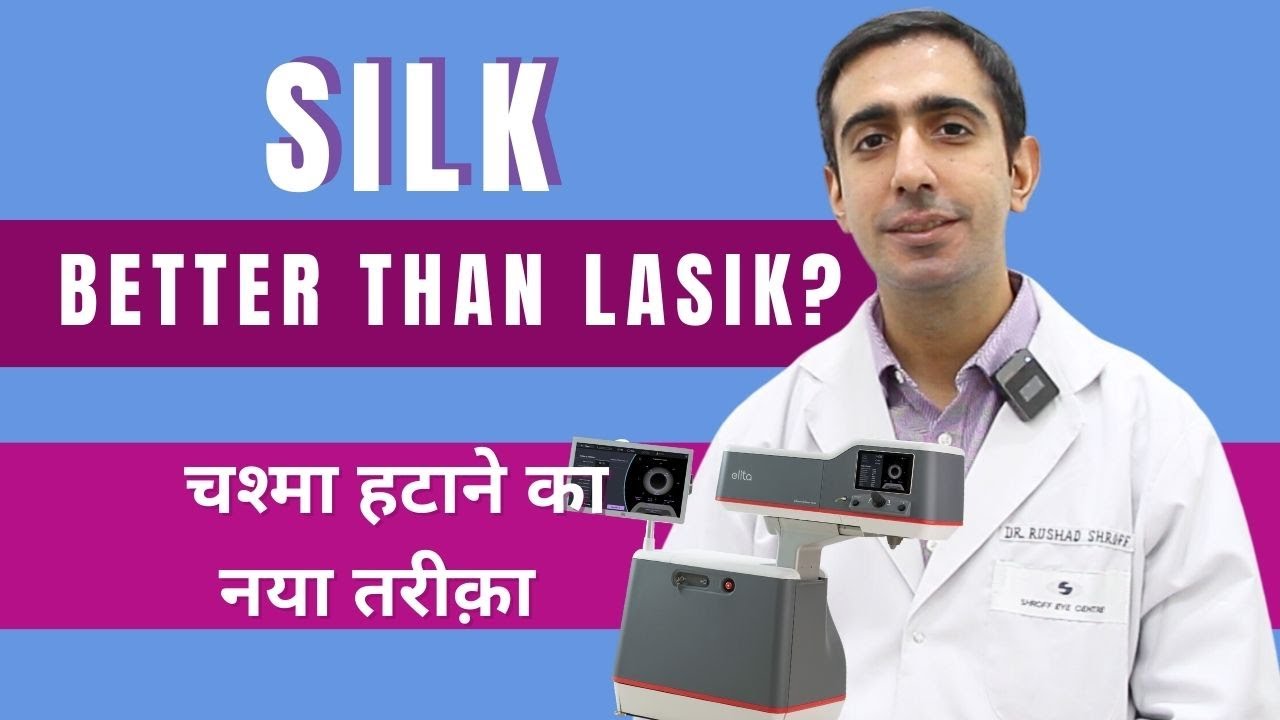 ▶ Watch
SILK - Kya LASIK se Behtar hai? Newest Specs Removal Tech in 2023
 ▶ Watch
Specs Removal LASIK VS. SILK
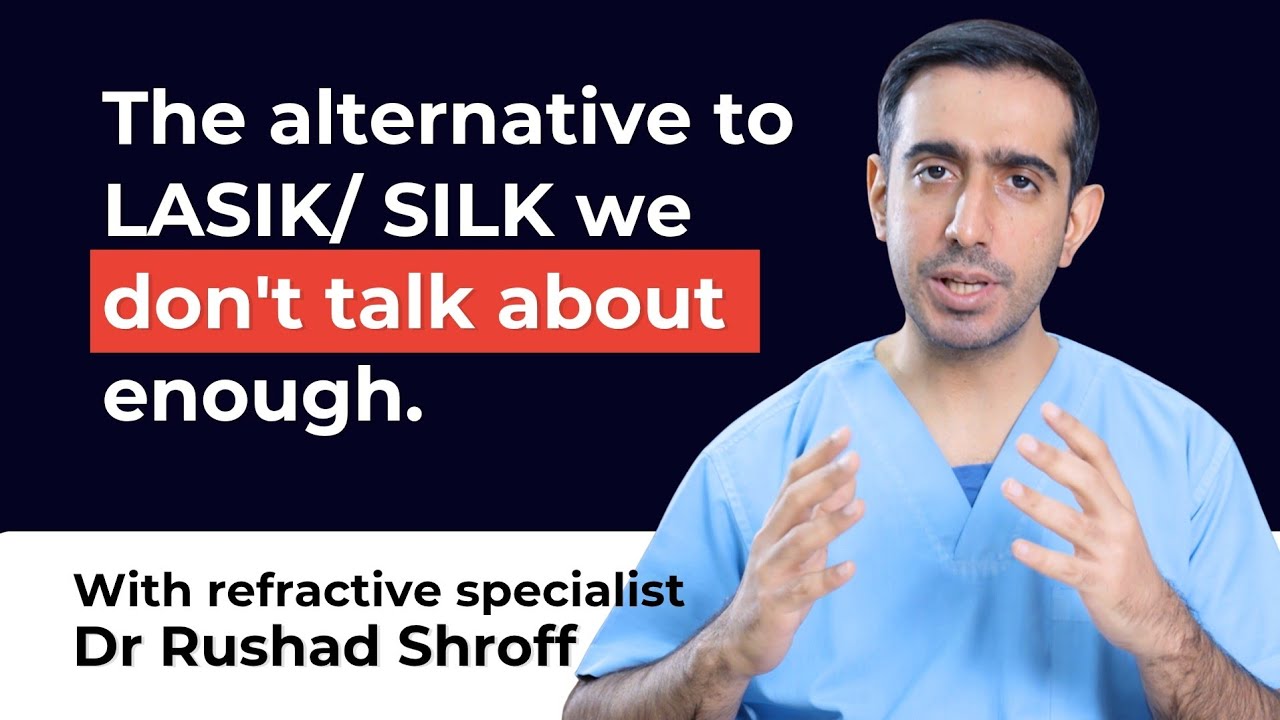 ▶ Watch
PRK & Streamlight Specs Removal Explained by Refractive Specialist
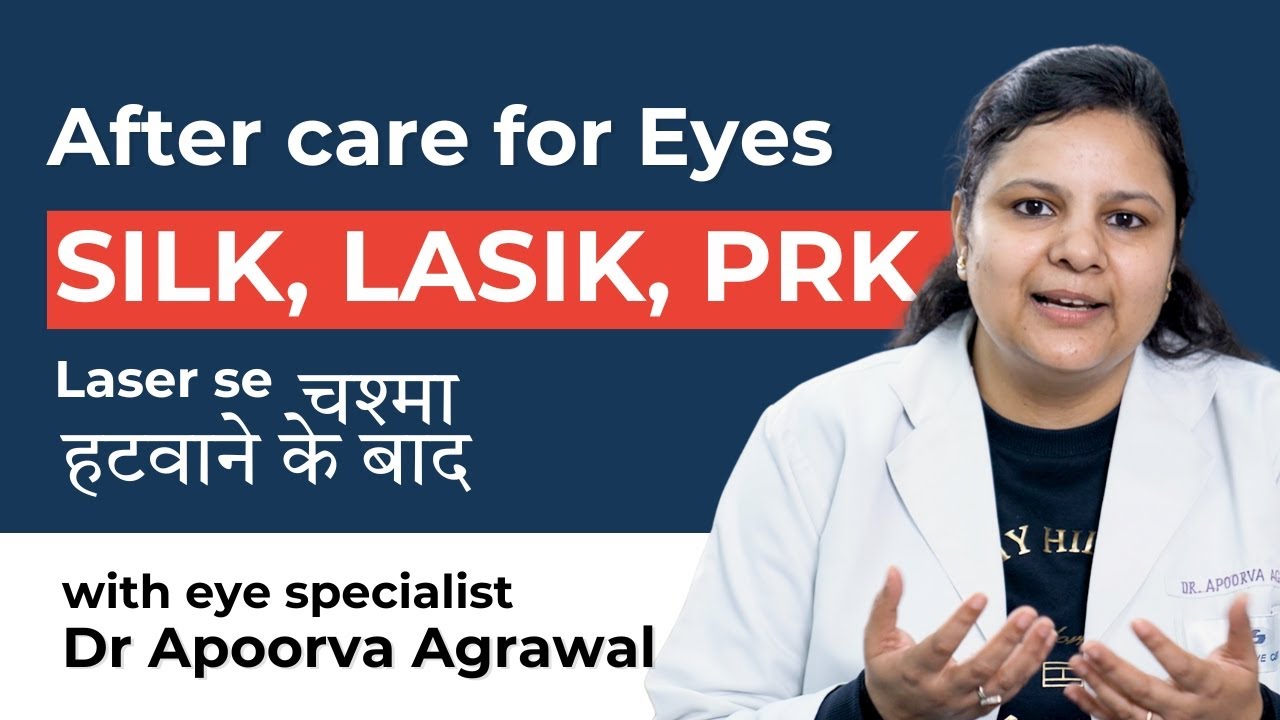 ▶ Watch
Specs removal After care | Precautions
 ▶ Watch
All Laser Specs Removal Options Made Easy | Eye Specialist Explains
 ▶ Watch
Bina Chashme k Duniya
 ▶ Watch
LASIK Review | Happy Patient | Shroff Eye Centre
 ▶ Watch
Specs-free after SILK 👍🏽 Happy Patients
 ▶ Watch
SILK specs removal Pros & Cons
 ▶ Watch
7 LASIK questions patients ask
Read the latest eye-care articles from Shroff Eye Centre.
Medical content reviewed by Refractive Surgery Team at Shroff Eye Centre
Updated : November 2026
If glasses and contacts are holding you back, or if you have been told you cannot have LASIK, ICL may be the answer. Our surgeons will examine your eyes and tell you honestly which vision correction surgery is right for you.
Call +91 99109 56780