

 Call us
 Email us
SILK (Smooth incision lenticular extraction)
The latest innovation in vision correction- No flap, fast, painless, safe, quick results. Preferred in those with an active lifestyle.
Learn more →See clearly without specs & contacts.
Vision correction procedures such as LASIK, SILK, PRK and ICL correct your vision by changing the shape of the cornea and reduce your dependence on specs- allowing you to see clearly without specs. At Shroff Eye Centre, we offer all options for vision correction- Bladeless LASIK, SILK, Streamlight, PRK, Blade LASIK, and ICL.
Shroff Eye Centre was among the first in North India to offer modern LASIK surgery almost 35 years ago and to introduce SILK in 2023. Today, we work on the advanced ELITA, Wavelight & Innoveyes platform, with a team of seven, refractive trained, eye surgeons and have helped thousands of patients with specs removal and vision correction.
Know comparison of all vision correction procedures →The latest innovation in vision correction- No flap, fast, painless, safe, quick results. Preferred in those with an active lifestyle.
Learn more →Safe, fast and painless with quick results.
Learn more →Flapless procedure for athletes, sportspersons and combat professionals.
Learn more →Lens placed inside eye- Reversible surgical option for those with higher eye powers.
Learn more →Flapless procedure for athletes, sportspersons and combat professionals.
Learn more →Safe, fast and with quick results.
Learn more →Hear how specs removal & vision correction worked for our patients.
 WatchSILK
Life without glasses, finally.
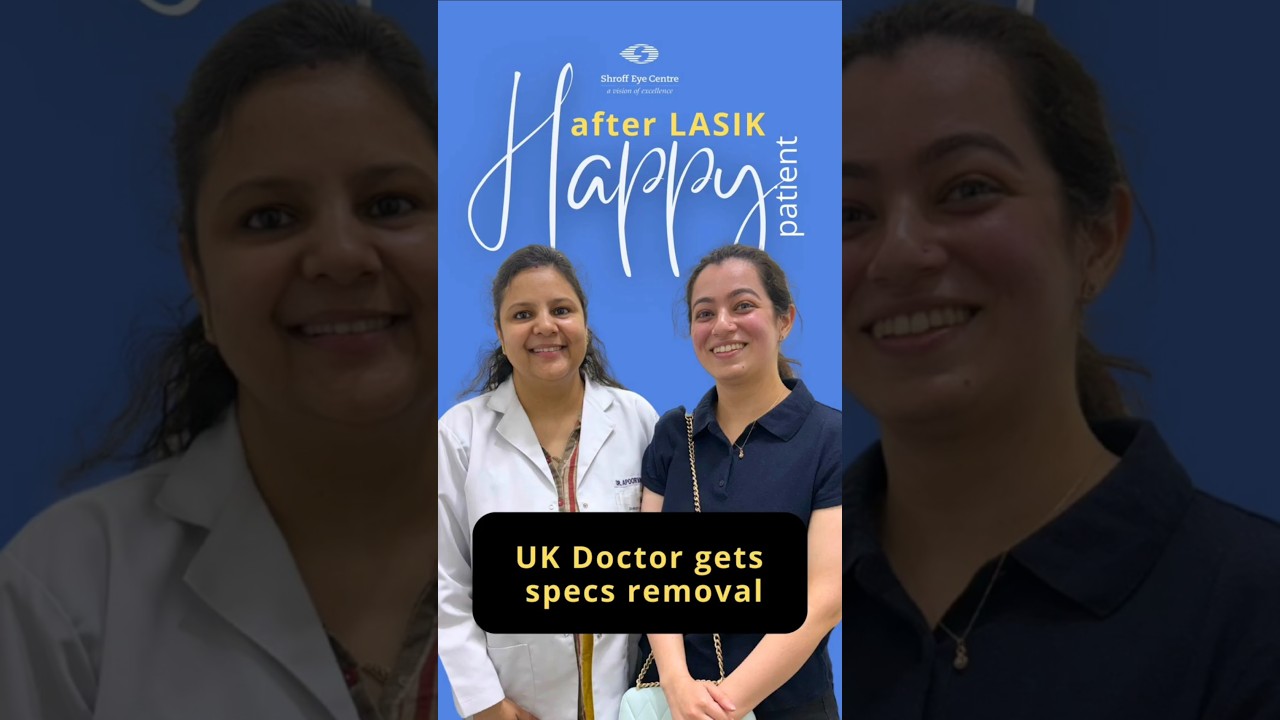 WatchLASIK
Best decision I ever made for my eyes.
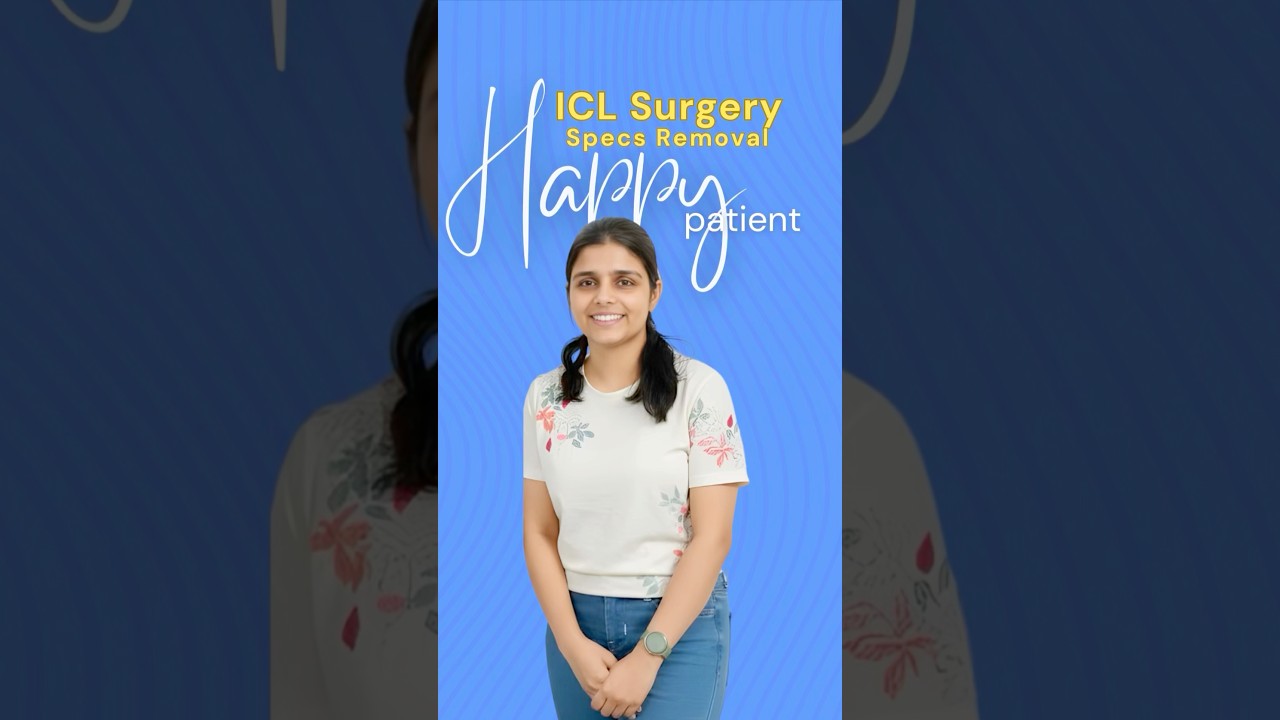 WatchICL
High power was never a barrier.
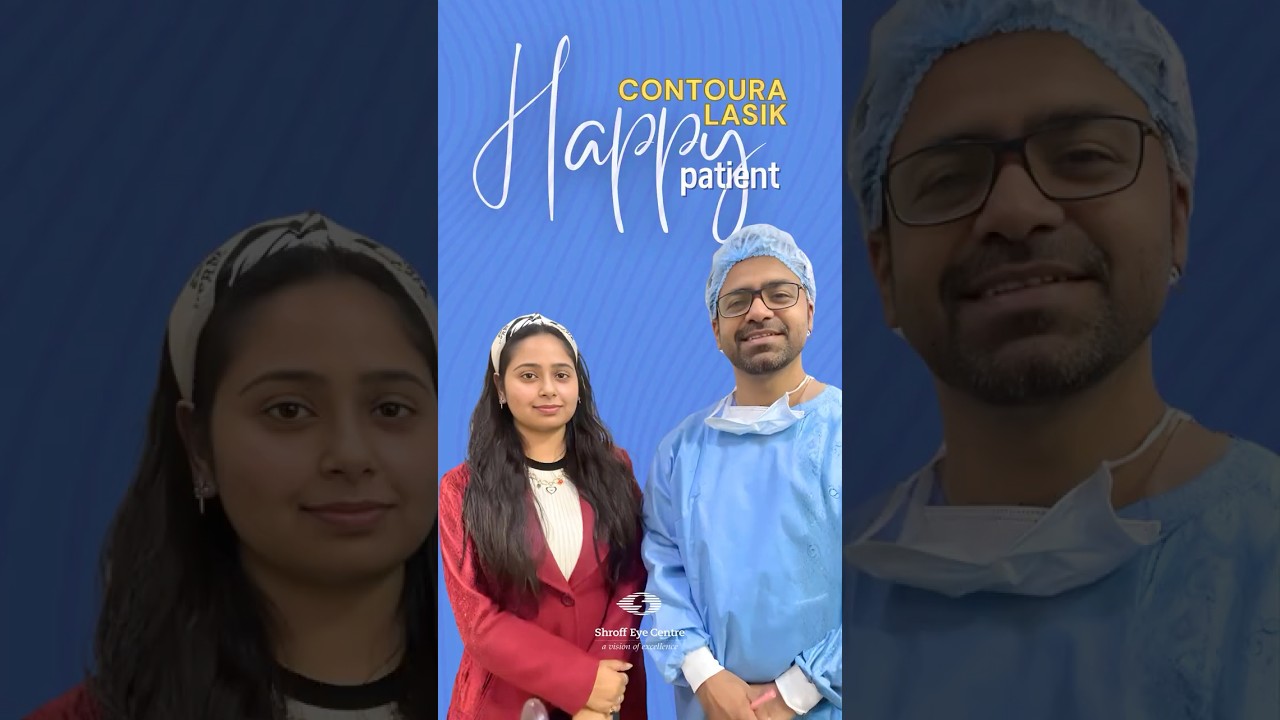 WatchPRK
Clear vision for an active life.
Confused about which vision correction procedure is best for you? Our refractive team will help you decide between SILK, LASIK, PRK/ Streamlight and ICL. Here’s a quick comparison table:
| Treatment | Machine / Tech used at SEC | Ideal for | Recovery time | Corneal Flap | Key feature |
|---|---|---|---|---|---|
| SILK | Elita | Young, active lifestyle; want minimal flap risk | ~1-2 days | ✓ No flap | Advanced, flap-less technique, lower risk of dry eye, quick recovery |
| Bladeless LASIK | Wavelight Plus, Femto + Contoura | Broad range of candidates | ~1-2 days | Yes, created by femto laser | Most popular, very quick recovery time |
| Streamlight | Wavelight | Active lifestyle, Thin cornea or contact sports or Armed forces | ~5-7 days | ✓ No flap | Advanced PRK, No flap- better for active people, more precise, more comfortable recovery vs conventional PRK |
| Conventional PRK | Wavelight | Thin cornea, Armed forces or contact-sport | ~5-7 days | ✓ No flap | No flap- better for active people, slight discomfort initially during recovery |
| Microkeratome LASIK | Microkeratome + Contoura | Broad range of candidates | ~1-2 days | Yes, created by special blade | Older technique, Less precise, Lower cost |
| ICL | Staar Evo | High eye power | ~5-7 days | ✓ No flap | Lens-based, correct high minus and plus numbers, reversible, preserves the cornea |
Not sure which procedure fits your eyes? Read our [ In-depth guide to LASIK types, costs and alternatives].
Answer 3 quick questions to discover which procedure suits you best in 30 seconds
Take our short quiz to find out
Based on your answers, you are likely a good candidate for vision correction. Book a screening to confirm.
Vision correction surgery is recommended for patients who are 18 years or older and have a stable eye power for at least 12 months. Come back once you turn 18!
We will need to see you to advise the best option. Patients over 45 may also be developing presbyopia (reading glass power), which needs to be considered when planning vision correction. Please come in for a consultation.
Shroff Eye Centre is one of the oldest, most trusted and renowned eye hospitals for eye care and vision correction. Some of the reasons why Shroff Eye Centre is one of the most trusted eye hospitals are:

India's most rigorous hospital accreditation and strict quality parameters.

Shroff Eye Centre has a legacy of 4 generations and more than a 100 years dedicated to eyecare.
Amongst the first to start modern LASIK and other vision correction/refractive surgery in Delhi NCR more than 25 years back.

Our eye surgeons have trained extensively in refractive surgery specially and actively involved in award-winning research, teaching and training other surgeons around the world on SILK and other vision correction surgeries. Meet our team

We see about a lakh patients annually from all around the world, who come to Delhi to get their eyes seen at Shroff Eye Centre. We've built this trust over the years by our honest, dedicated and patient-first approach. Don't just take our word, watch our testimonials and reviews below.
We believe in using the latest machines and tech available to deliver patient care.

If a treatment or surgery is not right for you, we will tell you directly. A good surgeon knows how to operate; a better one knows when to operate; but the best knows when NOT to operate. At Shroff Eye Centre, We are proud of (and well-known for) not intervening when not required.
Amongst first to start Modern LASIK and SILK specs removal in India; First to start IOL implants after cataract surgery in Delhi NCR in 1980's; First to begin retina surgery to Delhi; First Vision therapy clinic.
At Shroff Eye Centre, we have been recognised, published and awarded, both in India and internationally, for our work in ophthalmology as well as refractive surgery. Our surgeons are invited to train other surgeons in India and globally on LASIK, SILK and ICL. We have also been a part of industry and public discussions, podcasts and news articles. Achievements
Testimonials from Esteemed Personalities
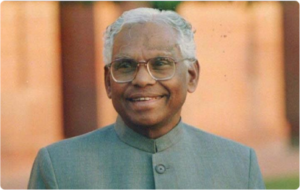
Shri. K. R. Narayanan
Past President Of India
I was delighted to visit Shroff’s Eye Hospital and see that it has been refurbished and expanded in a Spacious and beautiful manner. This well equipped and competently staffed Eye Centre has become a facility of excellence which will be a boon to the people of Delhi. I wish the Shroff Eye Centre the people and saving their eye sight.

Shri. Raj Nath Singh
Home Minister Of India
I am of firm opinion that Dr. Shroff’s institution is the best eye institution. I am fully satisfied with the care and treatment of my eyes. I had heard lot of praise about this institution, I got the same. I wish all the best for this institution.
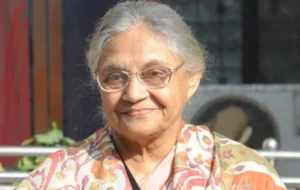
Smt. Sheila Dikshit
Chief Minister Of Delhi
This wonderful clinic gives such comfort and confidence. I moved out feeling so confident to see the world.

Smt. Sharmila Tagore
Actor/Director
I was very well looked after, even pampered. The staff is extremely competent. Every single one of them. The whole atmosphere is truly democratic. No one is given more importance than the other. Thank you. Everyone is treated equally.
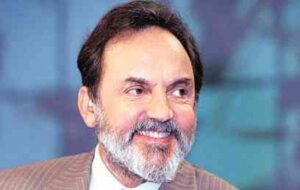
Shri. Prannoy Roy
CEO, NDTV India
This is undoubtedly the finest institution for eyes. Not only is every single staff member highly professional and brilliantly competent, everyone is warm, patient understanding and patient friendly. God bless all of you.

Smt. Shehnaz Hussain
CEO, Shahnaz Herbals
The best eye clinic in the world and Dr. Noshir the last word in eye care.
Our team is highly trained and has decades of experience in vision correction and refractive surgery.
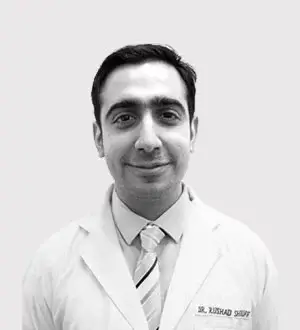
Cataract & IOL Surgery, LASIK ( Refractive Surgery ), Cornea, Conjunctivitis
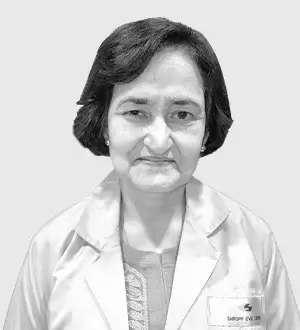
LASIK ( Refractive Surgery ), Cornea, Dry Eye
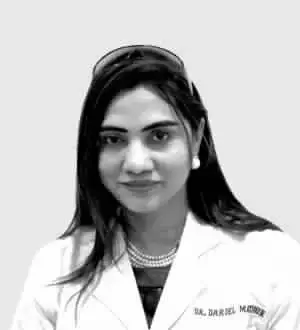
LASIK ( Refractive Surgery ), Cornea, Dry Eye, Conjunctivitis

Cataract & IOL Surgery, LASIK ( Refractive Surgery ), General Ophthalmology
Cataract & IOL Surgery, LASIK ( Refractive Surgery ), Cornea, Dry Eye
Cataract & IOL Surgery, LASIK ( Refractive Surgery ), Cornea, Dry Eye

Cataract & IOL Surgery, LASIK ( Refractive Surgery ), Cornea, Cataract
The cost of LASIK/ vision correction in Delhi NCR varies depending on the procedure and ranges from Rs. 30000 to Rs. 2 lacs. The cost of vision correction at Shroff Eye Centre Delhi is comparable to other well-reputed private eye hospitals in Delhi with charges starting from Rs. 55000 onwards.
We are upfront about our charges and do not have hidden charges. EMI options may be available via ZeroPay. Speak to our LASIK team to know more.
Patients often ask us this and we keep telling them there is no single "best" procedure for all.
What is best and safest for you depends on:
Our team of expert refractive surgeons at Shroff Eye Centre will guide you about what is best when you come for your pre-vision correction surgery eye checkup.
Immediately after the surgery is done, you relax in our calm refractive area. Our team will check your eyes again, explain all the medicines and precautions to be followed. You can go home soon after this. Your vision will be a little blurry so it's a good idea to bring a friend/ parent or partner to accompany you.
Once you get back home after your vision correction or refractive surgery, just relax with your eyes closed.
The next day after your vision correction surgery,
Most other activities can be resumed the very next day and you can begin driving in a few days.
In the initial days and weeks following surgery, we advise you to avoid certain activities for some time such as swimming, contact sports, adventure sports, wearing makeup for the eyes etc. But, these are short term measures to ensure your eyes recover fully and stay well.
Yes, vision correction surgery is safe and successful if all the safety criteria are met and the patient follows all the post-surgery instructions carefully.
At Shroff Eye Centre, we do a thorough screening for all patients. Our latest diagnostic machines with inbuilt AI algorithms help us plan the surgery carefully and minimise the risk of post-surgery complications.
But, these are surgical procedures and like any other surgery do carry a risk of complications and side effects- Serious complications are fortunately uncommon and literature search as well as and our experience puts it as under 0.5 percent risk of serious, sight threatening complications.
Watch our surgeons explain more about vision correction
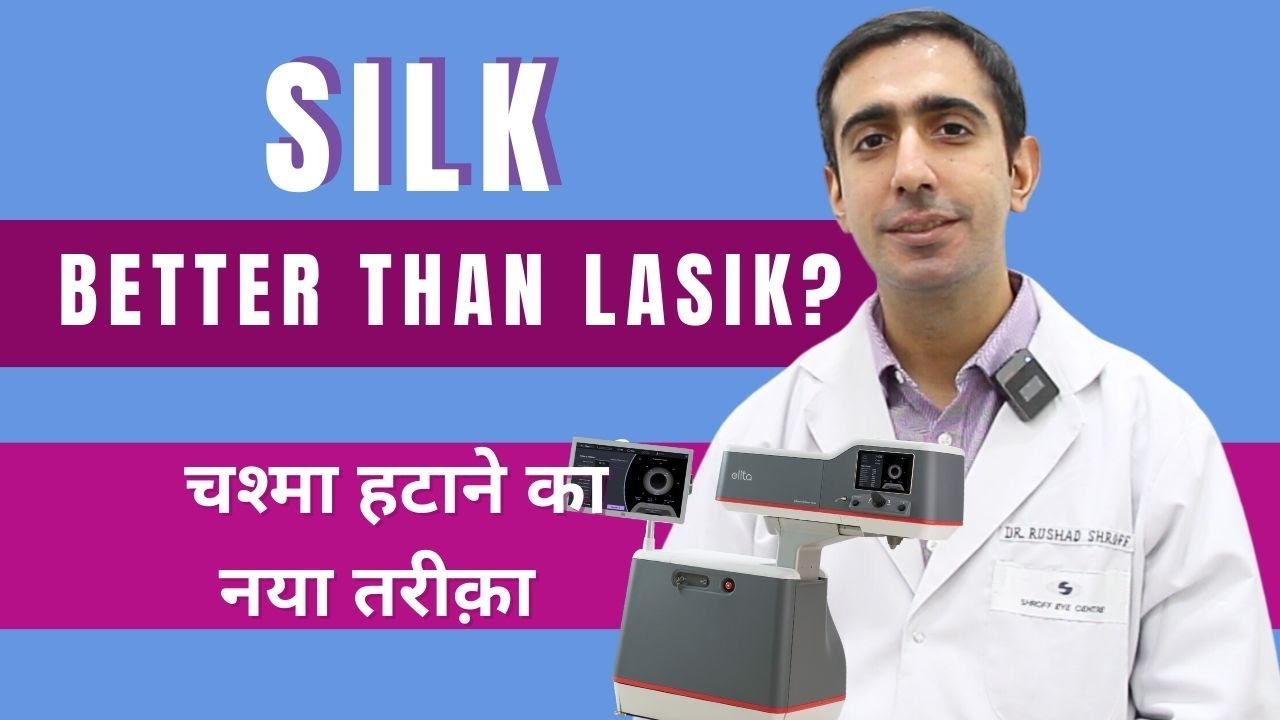 ▶ Watch
SILK - Kya LASIK se Behtar hai? Newest Specs Removal Tech in 2023
 ▶ Watch
Specs Removal LASIK VS. SILK
 ▶ Watch
PRK & Streamlight Specs Removal Explained by Refractive Specialist
 ▶ Watch
Specs removal After care | Precautions
 ▶ Watch
All Laser Specs Removal Options Made Easy | Eye Specialist Explains
 ▶ Watch
Bina Chashme k Duniya
 ▶ Watch
LASIK Review | Happy Patient | Shroff Eye Centre
 ▶ Watch
Specs-free after SILK 👍🏽 Happy Patients
 ▶ Watch
SILK specs removal Pros & Cons
 ▶ Watch
7 LASIK questions patients ask
Our latests blog posts on refractive surgery- LASIK, SMILE, SILK, PRK, ICL etc
Vision correction surgery is technically called refractive surgery and helps remove specs and corrects your eye power. This means freedom from specs for most or lowers your dependence on glasses depending on your eye power.
For anyone who's worn glasses and contact lenses to see properly - we probably don't need to explain any further. Imagine: No searching for your specs, no waiting for the fog to clear up when you get out of your car, no worrying that your contacts will fall out mid-party.
At Shroff Eye Centre, we combine surgical precision with decades of expertise and excellence in eye care to correct your vision and help you achieve the vision of your dreams.
Some of the guidelines to see if you are a good candidate for vision correction surgery / refractive surgery and specs removal. For vision correction & specs removal / refractive surgery, you are likely to be eligible if:
This depends on what your work is. Most non-strenuous activities can be resumed the very next day or within a few days of surgery. There may be some restrictions on face washing and screen time. But every eye is different and depending on your procedure, speed of healing and type of work, our doctors will advise you about this.
Most people will only need glasses once they develop Presbyopia- which is an age-related change in your eye power which usually begins in your 40s. A small number of people may have a small residual eye power after vision correction and may need a touch up procedure to correct and require further vision correction- this depends on your body's corneal tissue biomechanics.
On the day of your specs-removal procedure, you come to the centre and relax in our beautiful and calming vision correction refractive surgery area. If you are getting ICL, you will be asked to come to the main OT. Once the procedure starts, all the procedures usually take less than 30 minutes. After the procedure, our team will explain post-surgery precautions. You can go home soon afterwards. But you must come for the follow up visits as advised.
As anesthetic eye drops are used, you will not feel pain during any of the refractive procedures- SILK, LASIK, PRK or ICL.
Most patients feel a pressure sensation during the SILK or LASIK procedures. After the SILK & LASIK, a few patients may experience mild discomfort/ itching in eyes during the initial 1-2 days-which is easily controlled by over the counter medication.
Patients who undergo PRK or Streamlight may feel a little discomfort till the epithelium heals in a few days time- the pain is usually controlled by over-the-counter pain medication.
Patients with ICL may have a little discomfort initially which is well controlled by over-the-counter pain medication.
If you experience severe pain or itching or irritation, discharge or redness, please reach out to our lasik surgery team at Shroff Eye Centre on the number provided after surgery.
After vision correction surgery, we recommend that you do not go swimming for at least 1 month after the surgery. Swimming can allow infections and irritants to interfere with the healing process and lead to complications.
Yes, vision correction surgery is possible with ICL when you have high eye power. But we do have to make sure you do not have retina problems or glaucoma before we do ICL surgery as otherwise ICL may cause future eye problems.
In patients who have thinner corneas in which SILK or LASIK cannot be done, PRK or transepithelial PRK (Streamlight) or ICL may still be an option for vision correction surgery and vision correction. If you've been told you have thin cornea in Delhi NCR and are not eligible for LASIK, visit our centres and consult our vision correction surgery specialists at Shroff Eye Centre to know more options.
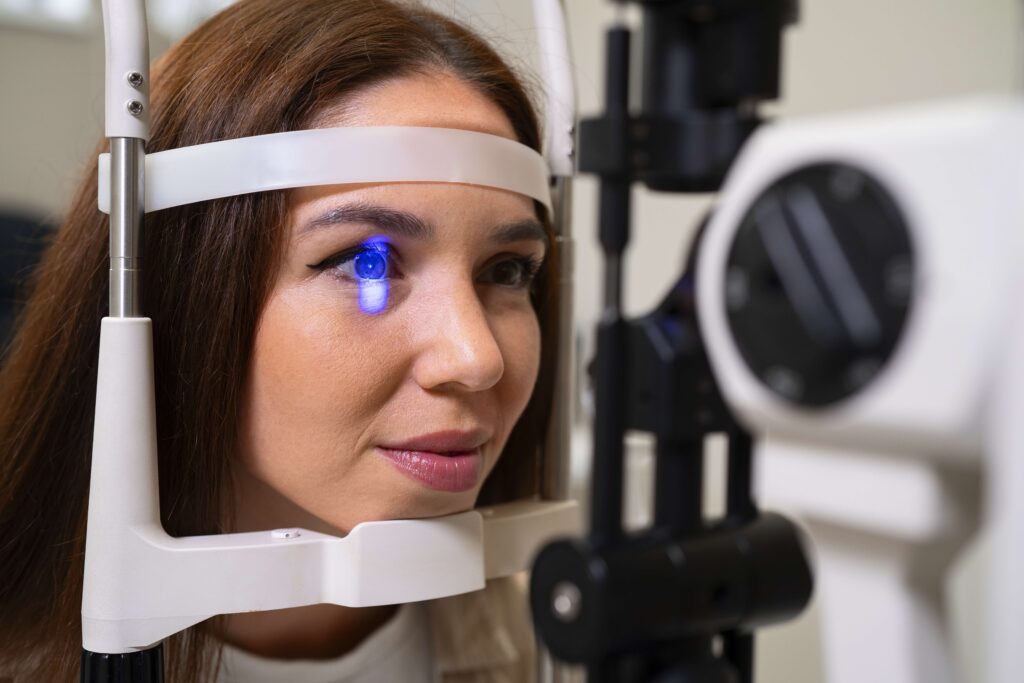
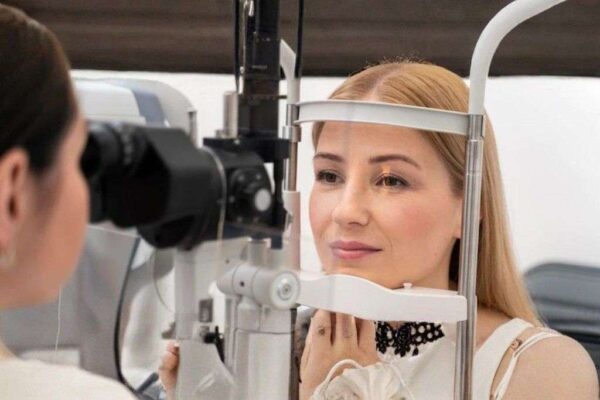
When you come to Shroff Eye Centre for a pre-refractive surgery checkup, we do a series of investigations to check if surgery is safe for you (called as "LASIK workup" for ease of patients understanding). These include visual acuity testing, pressure testing, pentacam and topography to analyse the cornea including thickness and shape and surface. If wavelight plus is being planned, Sightmap is done to create a ray trace of your eyes. If ICL is planned, additional testing of pupillometry, corneal white-to-white and IOL master are also done to help plan the surgery. A retina checkup is also done. Finally, our refractive surgeon checks all your reports and discusses all the options with you, including the pros and cons of all procedures. You then go to our counsellors to book your surgery. In the case of ICL, we place the order for your lens first. As it is a customised lens, it will take some time to come. Your surgery date is planned after the lens is received.
During the first few days after surgery, most people can expect to experience at least some of these effects:
More serious and sight-threatening complications include infection and corneal ectasia but are rare if all precautions are followed correctly. Most complications are usually treatable with medication or further surgery. However, patients must remember that outcomes are dependent on both surgeon and the patient- which is why you must follow all precautions carefully after vision correction.
A flap-less technique of glass removal like SILK or EpiLASIK( Conventional or Streamlight) are better for sportspersons as there is no risk of traumatic flap displacement after injury. Flap displacement is uncommon but can cause vision loss.
Lenticule extraction: SILK, SMILE, CLEAR, SmartSight NOVA
Laser based: LASIK (popularly also often called FemtoContoura, Wavelight Plus, iLASIK, SmartSight, Z-LASIK), PRK & Transepithelial PRK (Streamlight, SmartSurf), Blade LASIK
Lens based: ICL, IPCL
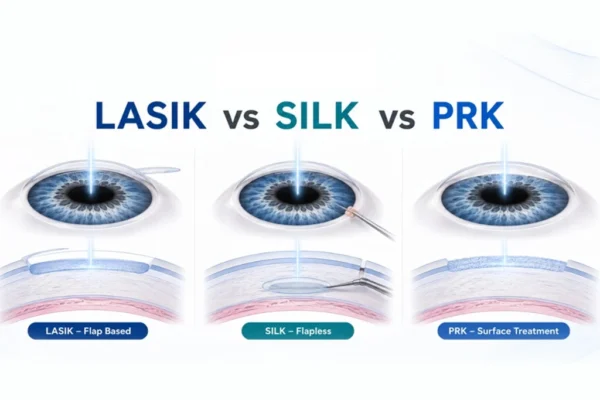
LASIK stands for Laser-Assisted In Situ Keratomileusis. It is a laser surgery that corrects your eye power by reshaping the cornea, the clear front surface of your eye.
LASIK is done in two steps. First, a thin flap is made in the cornea- either with a femtosecond laser (bladeless LASIK) or with a mechanical blade called a microkeratome (blade LASIK). The flap is folded and lifted gently. In the second step, an excimer laser removes a small amount of corneal tissue to correct your eye power. The flap is then put back in place and heals on its own, without stitches.
LASIK can treat short sight (myopia), long sight (hyperopia) and astigmatism. Most patients see clearly within 24 to 72 hours. Post LASIK precautions continue longer for optimal recovery. LASIK is not suitable for those with higher eye powers, thin corneas, sportspersons or armed forces professionals.
At Shroff Eye Centre, LASIK is performed on the Alcon WaveLight platform. It is often called Contoura LASIK by patients. We also have the advanced Wavelight Plus (popularised as Innoveyes) which uses the ray tracing technology to help plan and deliver a more customised treatment. Our surgeons have won awards for their refractive surgery research and are regularly asked to train other eye surgeons.
Read more about LASIK here
Call us to book your pre-LASIK check-up
SILK stands for Smooth Incision Lenticule Keratomileusis. It is a surgery that corrects your eye power by changing the shape of your cornea by removing a corneal lenticule and minimal handling of the corneal surface.
In SILK, no corneal flap is made. Instead, a femtosecond laser shapes a small disc-like tissue inside the cornea, called a lenticule. The surgeon then removes this tissue through a tiny keyhole opening. Taking the disc out changes the shape of the cornea and corrects your eye power. The opening is so small it seals on its own.
SILK can treat short sightedness (myopia) and astigmatism. Most patients see clearly within 24 to 72 hours. Post SILK precautions continue longer for optimal recovery. SILK is not suitable for those with higher eye powers, thin corneas. But unlike LASIK, it's a good option for glass removal and vision correction in sportspersons or armed forces professionals as it is a flapless surgery. It also has a lower risk of post-surgery dry eyes.
SILK is performed on the ELITA femtosecond laser from Johnson & Johnson Vision. The ELITA received CE Mark approval in Europe in March 2023 for both the SILK lenticule procedure and LASIK flap creation.
Shroff Eye Centre was one of the first eye centres to introduce SILK in India and our surgeons have since then won awards and trained others on this technique.
Two features of the ELITA are worth knowing. It uses a very small laser spot — about 1 micron — at low energy, which leaves a smoother surface for the surgeon to work with (Johnson & Johnson Vision, via Eyes On Eyecare, 27 April 2023). And it uses a biconvex lenticule shape, designed to let the cornea settle back without micro-folding and to cut fewer corneal nerves (Johnson & Johnson Vision, via Ophthalmology Times, CE Mark announcement).
Under its CE Mark, the ELITA is indicated for short sight up to −12 D of sphere and up to −6 D of cylinder, with the sum of sphere and cylinder between −1.00 and −12.00 D (Ophthalmology Times, CE Mark announcement).
Read more about SILK here
Call us to book your pre-LASIK check-up
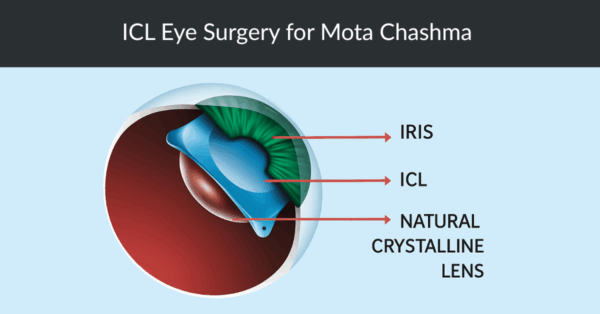
ICL stands for Implantable Collamer Lens. It is a surgical method of correcting eye power and not a laser procedure. No corneal tissue is removed in it.
An ICL is a soft, thin lens made of a biocompatible material called collamer. During surgery, the surgeon makes a small opening in your eye and inserts the lens into your eye, behind the coloured iris and in front of your own natural lens. Vision recovery takes 1-2 weeks and post-surgery precautions continue for around 4 weeks.
ICL can treat very high myopia, hypermetropia and astigmatism. It's a reversible procedure, i.e. the lens can be removed if required. However, ICL can cause development of glaucoma and early cataract. The risk of retina detachments in those with high refractive errors also does not change after ICL.
At Shroff Eye Centre, we have decades of experience performing ICL and our ICL patient testimonials are a testament to this. We use STAAR EVO ICL lenses.
Read more about ICL here
Call us to book your pre-ICL check-up
Streamlight is a newer type of PRK and is called transepithelial PRK, or Trans-PRK.
Streamlight is the name given to trans-PRK using Alcon's method for doing PRK in a single step, with no blade and no alcohol. It runs on the WaveLight EX500 excimer laser and was added to that platform in 2019.
In conventional PRK, the surgeon first removes the surface layer of the cornea, the epithelium, using a brush, a blade or alcohol. Then the laser fires again to reshape the cornea underneath. Streamlight does both jobs with the laser itself, in one continuous treatment. Streamlight is flapless; which makes it a better option if you play contact sports, work in the armed forces or police, or have corneas that are too thin for LASIK. The use of laser in the first step lowers epithelial trauma, reduces risk of infection, and promotes faster epithelial healing.
Recovery after any PRK, including Streamlight, is slower and less comfortable than after LASIK or SILK. The surface layer takes a few days to grow back, and vision is blurry and uncomfortable during that time.
At Shroff Eye Centre, we offer Streamlight and conventional PRK both.
Read more about Trans-PRK here
Call us to book your pre-ICL check-up
Wavelight Plus and InnovEyes are the same thing- If you have heard about InnovEyes online, you have been reading about WaveLight Plus. Innoveyes Sightmap was the older name for Sightmap and Wavelight plus. It works in two parts:
Please note- It is not a new type of surgery. The operation is still LASIK- a flap, then an excimer laser. What is different is how the treatment is planned before we do the LASIK.
Contoura is the topography-guided LASIK treatment profile which is performed by the Wavelight excimer laser by Alcon. Contoura Vision is a customized LASIK treatment that uses a highly detailed scan of the eye's surface-capturing up to 22,000 unique points- essentially mapping the surface of the cornea. This map is used to create a customised and personalised LASIK treatment plan that can lead to sharper vision than standard LASIK. Contoura is available at Shroff Eye Centre. To know more about the cost of contoura, call us.
The answer is more nuanced than most marketing would have you believe.
Wavelight-plus utilises ray-tracing technology to perform LASIK. Contoura is the topography-guided LASIK treatment profile. Both are tech developed by Alcon and utilise the Wavelight machine. But the machine needs a special update to be able to perform Wavelight plus.
Topography uses a different algorithm from Sightmap to calculate the parameters, shape and aberrations on the front surface of the cornea.
However, as of the studies available in 2026, both provide comparable and excellent visual and refractive results. In fact, topography guided lasik did slightly better in terms of visual acuity results in one study; ray tracing provided better post LASIK contrast sensitivity in this study (Sitto, M.M., Moshirfar, M., Crook, T.B. et al. Comparison of U.S. FDA Premarket Approval Studies Between Ray Tracing-Guided LASIK with InnovEyes Sightmap Versus Topography-Guided LASIK Using Custom Ablation Treatment (T-CAT). Ophthalmol Ther 14, 2983–3005 (2025). https://doi.org/10.1007/s40123-025-01245-5)
Before deciding, we need to do the investigations to know if LASIK would even work for you. The choice between the two requires excellent clinical judgement and experience. Ray tracing, for now, seems to provide better results in those with higher order aberrations which are not corneal in origin. At the same time, topography still appears to be better for patients with corneal surface irregularities who want better vision. These are technical details for surgeons to take a call on and this is why it is best to go to a surgeon you trust, who tells you all this clearly and does not promise you 6/5 vision.
Both provide customised treatment but ray tracing may go one step ahead soon and provide fully personalised treatment as it maps how light travels inside your eye.
At Shroff Eye Centre, we believe in doing what is best for the patient- and are happy to not recommend Ray-tracing LASIK if it is not going to benefit you.
Eye hospitals near me
A-9, Lala Lajpat Rai Rd, Block A, Kailash Colony, Greater Kailash, New Delhi, Delhi 110048 South Delhi areas- Greater kailash, Lajpat nagar, Cr park, Defence colony, Niti bagh, Saket, Noida GET DIRECTIONS
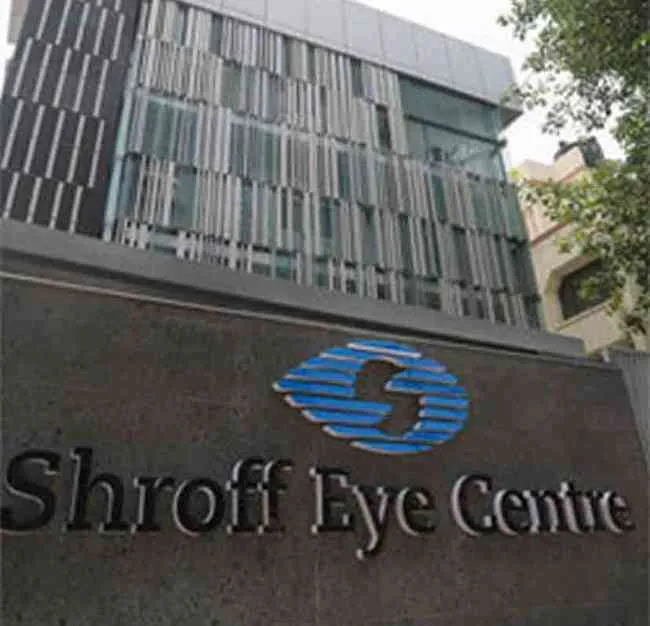
Building (1st floor, 105, Surya Kiran, 19, KG Marg, New Delhi, Delhi 110001 Central Delhi- serving Karol bagh, Rajender Nagar, Civil lines GET DIRECTIONS
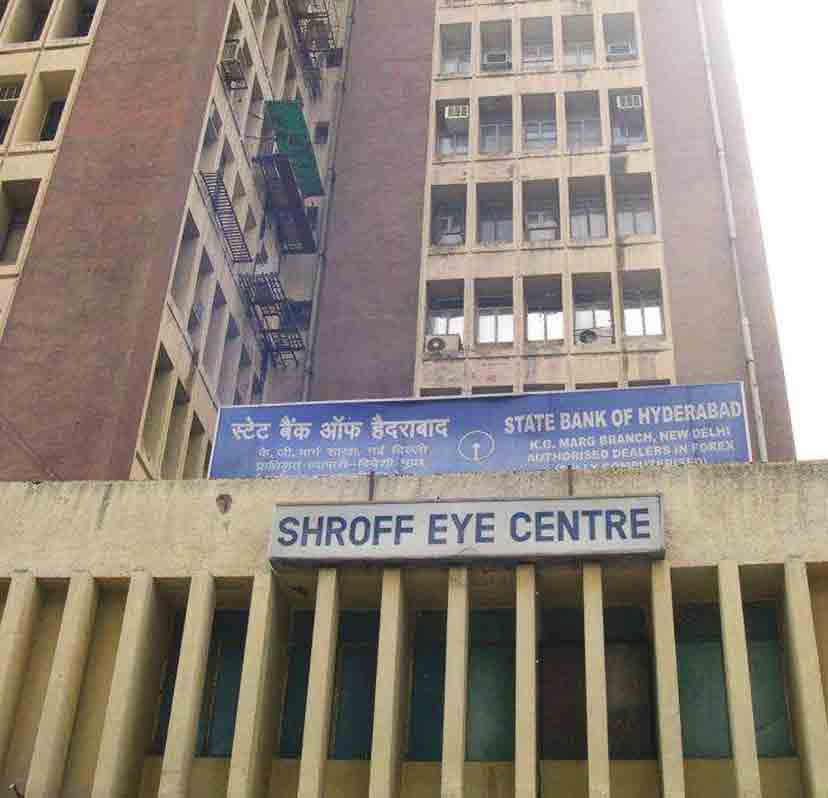
110 Bestech Chambers Radisson Suites, Block B, Sector 27, Gurugram, Haryana 122009 Haryana- Golf course road, Cyber city, Rewari, Sohna, Faridabad GET DIRECTIONS
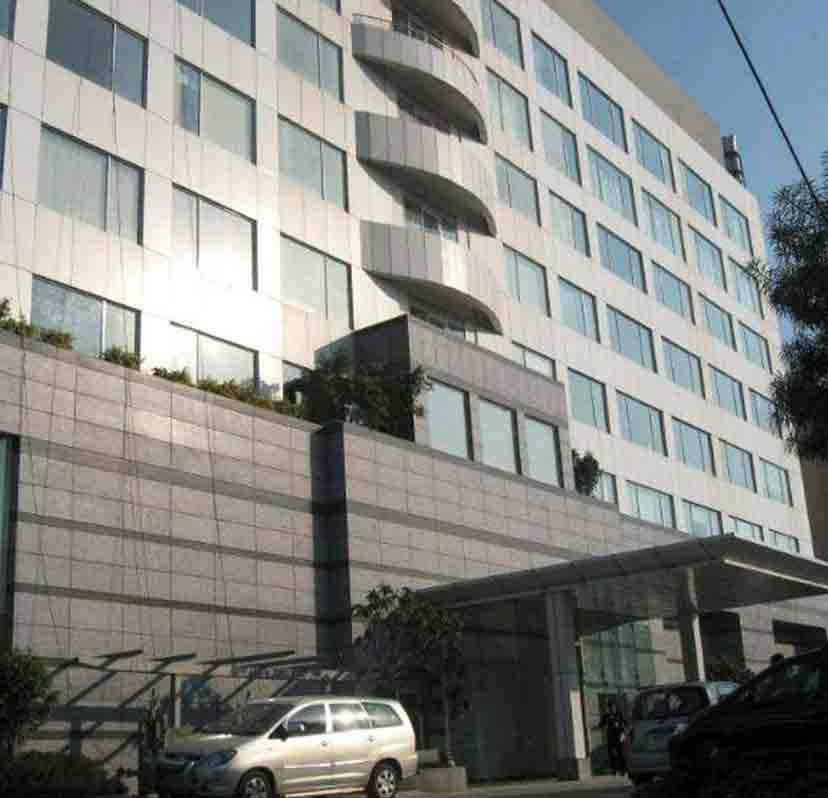
509, KM Trade Tower, adjacent to Radisson Blu, Sector 14, Kaushambi, Ghaziabad, Uttar Pradesh 201010 Uttar Pradesh- Greater Noida, Ghaziabad, Merut, Bulandshahr, Hapur GET DIRECTIONS