


 Call us
 Email us

Medically Reviewed by Dr. Ranjan Dutta, MS | Cataract & Cornea Specialist | Shroff Eye Centre
Presbyopia: Why Reading Gets Harder With Age and How to Treat It
Reading becomes harder with age mainly because of Presbyopia, an age-related vision condition where the eye lens gradually loses flexibility. When the lens becomes less elastic, it becomes difficult for the eyes to focus on nearby objects like books, newspapers, or phone screens.
Vision problems increase as we age. The most common reasons for reduced eyesight include Cataract, Age-related macular degeneration, and presbyopia.
What is Presbyopia (Age-related Vision)?
Presbyopia (pronounced Press-bye-o-pia) is an age-related medical condition that develops due to the gradual thickening of the lens in the eye and also due to a lack of flexibility in the lens. Low elasticity of the lens makes it more difficult to focus on nearby objects and this causes blurred vision.
The most common complaint for people who are over 45 years of age is difficulty in reading small or fine prints. Reading fine or small fonts gets difficult to read because with time lenses in our eyes change.
People from age 18 to 30 years old find it easier to read text with fine details. Whereas, adults of age 45 or older start seeing blurry text and rely on contextual clues, such as the shape of letters and words. This is also a time when you find reading is easier if you remove your distant vision glasses or you may find enlarging or zooming into the screen makes it easier to read or holding things at an arms length to read.
What are the Symptoms of Presbyopia?
- A tendency to hold screens, newspapers or books farther away to make the writing clearer or frequently removing distant vision glasses to read close objects.
- Zooming in or enlarging the font while reading.
- Blurred vision at normal reading distance.
- Eyestrain, headaches, irritation in the eyes after reading or doing close-up work.
- Glare and difficulty in driving at night.
Presbyopia symptoms are often similar to other causes of reduced eyesight in older people so it is best to get an annual eye check at your nearest eye specialty hospital.
Who Is at Risk of Developing Presbyopia?
You are more likely to develop presbyopia if:
- You’re over 40 years of age.
- Have other medical conditions, such as diabetes. This can increase your risk of premature presbyopia, which is in people younger than 40.
You’re on some medication such as antidepressants or antihistamines.
Can Presbyopia Be Reversed or Prevented?
Unfortunately, there is no way to reverse presbyopia. One can explore vision correction options as suggested by the eyes doctor. Some of the suggestions are like having special glasses, special contact lenses, or laser vision correction.
A healthy diet and a healthy lifestyle may also help in preventing early onset of age-related vision loss.
What Are the Treatment Options for Presbyopia?
An important point to remember about presbyopia is that it is progressive. That means, your eye power will change with time. So you may need to change specs, lenses and wear glasses after refractive surgery too.
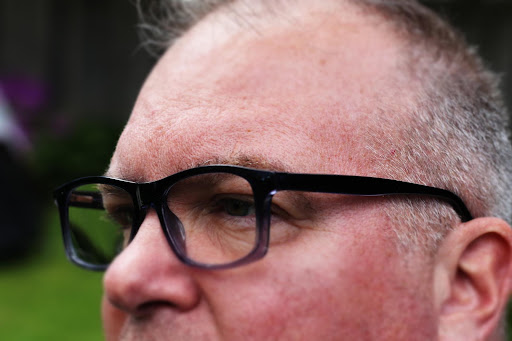
Some of the ways to correct presbyopia are:
1. Eyeglasses
Most people find these presbyopia correction lenses easy to use after they adapt to them.
-
Reading glasses
These can be worn only when an individual needs to read or see an object closely and have a “+” number.
-
Bifocals
These glasses have 2 lenses joined together. This is seen as a visible horizontal line. The distant vision lens is above the line, and your reading lenses are below the line.
-
Trifocals
These glasses have 3 lenses in one. They have 2 visible horizontal lines in the lenses. They allow you to do close-up work, middle distance vision such as for computer screens, and have distance vision too.
-
Progressive multifocals
This is a special type of lens that has no visible horizontal lines. It has multiple powers for distance, middle distance and close-up corrections molded into one smooth lens. Different areas of the lens have different power.
2. Contact Lenses
Special contact lenses are another option for presbyopia people who don’t want to wear specs for presbyopia. People with dry eye or eyelid problems may not be able to use these lenses.
-
Bifocal contact lenses
Bifocal contact lenses provide distance and near vision correction in each contact lens.
-
Monovision contact lenses
In this, you wear a contact lens for distance vision in one eye (usually your dominant eye) and a contact lens for close-up vision in the other eye.
3. Refractive Surgery
Refractive surgery changes the shape of your cornea. For presbyopia, refractive surgery is used to improve close-up vision in your nondominant eye. It’s something like wearing monovision contact lenses.
Please be aware that even after surgery, you may need to use reading glasses for close-up work.
4. Lens Replacement Surgery
Lens replacement is another presbyopia treatment option, similar to what is done in cataract surgery.
In presbyopia, if you have not developed cataracts, a clear lens exchange can be performed. If you also have a cataract, then a cataract surgery with IOL replacement is done. You may need reading glasses after surgery depending upon the nature of your work and choice of lens.
5. Eye Drops
A new treatment for presbyopia has recently been FDA approved. This medicine for presbyopia uses Pilocarpine eyedrops to cause pupil constriction and improve near vision.
Want to know more about presbyopia? Come visit Shroff Eye Centre and book an appointment with an eye doctor.
Frequently Asked Questions (FAQs)
Q: At what age does presbyopia usually start?
Presbyopia typically begins between 38-45 years, with most people noticing symptoms by age 42-44. The ability to focus on nearby objects gradually decreases as the eye lens loses flexibility.
Q: Why do I need to hold my phone farther away to read?
Holding a phone or book farther away is a common sign of presbyopia. Moving the object away helps the eyes focus more easily.
Q: Are reading glasses the only treatment for presbyopia?
No. Treatment options may include reading glasses, bifocal or progressive lenses, contact lenses, refractive surgery, or lens replacement depending on the individual’s condition.
Q: Can presbyopia be cured permanently??
Presbyopia cannot be cured permanently because it is a natural part of aging. However, regular eye check-ups and a healthy lifestyle may help maintain overall eye health.
Q: Do I need surgery for presbyopia?
Not always. Many people manage presbyopia with glasses or contact lenses. Surgery or lens replacement may be considered if glasses are not suitable for your lifestyle or vision needs
Q: What is the cost of presbyopia treatment in India?
The cost of presbyopia treatment in India depends on the option chosen. Reading glasses are inexpensive, while procedures like refractive surgery or lens replacement may cost more depending on the hospital and technology used.
Q: Is presbyopia surgery safe?
Yes, presbyopia surgery is generally safe when performed by experienced eye specialists. A proper eye examination is needed to determine if the procedure is suitable for you.
Q: What is the difference between presbyopia and hyperopia?
Presbyopia happens with age when the eye lens loses flexibility, making near vision difficult. Hyperopia is a refractive error where the eye shape causes light to focus behind the retina, affecting near vision.
Disclaimer: This information is not intended to constitute or be a substitute for professional medical advice, diagnosis or treatment. Always seek the advise of your doctor or other qualified health care provider with any questions you may have regarding your medical condition. Never disregard professional medical advice or delay in seeking it because of something you have heard in a video or read about in a blog or website.