


 Call us
 Email us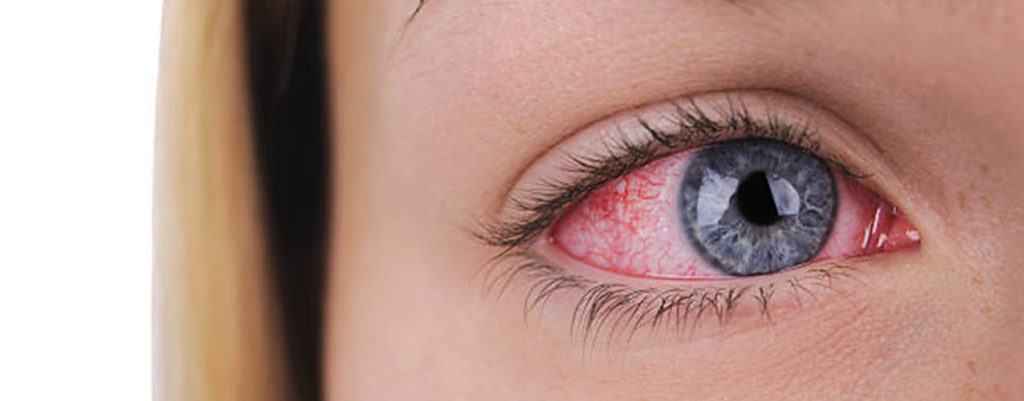
Red Eye: Causes, Symptoms, and When to See a Doctor
Medically Reviewed by Dr. Ritu Arora, MS | Lasik & Cornea Specialist | Shroff Eye Centre
Eye Redness: Symptoms, Causes, and Treatment
Red eyes, also called bloodshot eyes, occur when the blood vessels on the surface of the eye become swollen or irritated. This can happen due to dryness, allergies, infections, eye injury, or underlying eye diseases. In most cases red eye is harmless and clears on its own, but certain symptoms signal that something more serious is going on.
Waking up with red or bloodshot eyes is unsettling, especially when there is no obvious reason. Sometimes the cause is simple, like a poor night of sleep or too many hours on a screen. Other times, it is your eye trying to tell you something needs attention.
This guide covers the eight most common causes of red eye, a quick triage table to help you figure out how serious your situation is, and clear guidance on when home care is enough versus when you need to see a doctor.
Common Symptoms that Occur with Red Eyes
Red eye rarely appears alone. Depending on the cause, you may also notice one or more of the following alongside the redness. Paying attention to these accompanying symptoms is often the clearest way to figure out why your eyes are red and whether you need to see a doctor.
- Redness or pinkness in the white of the eye
- Eye irritation, burning, or a gritty sensation
- Watery or teary eyes
- Discharge from the eye (watery, sticky, or crusty)
- Blurry vision
- Sensitivity to light
- Itching or swelling around the eye
- Eye pain (mild discomfort or severe, depending on the cause)
Symptoms like pain, vision changes, or heavy discharge are the ones that should prompt a same-day doctor visit. Redness alone, with no other symptoms, is usually less concerning.
What Causes Red Eyes?
Red eye happens when the tiny blood vessels on the surface of the eye become inflamed or dilated. This is almost always a reaction to something, whether that is dryness, infection, allergy, injury, or an underlying condition. Here are the eight most common causes.
1. Dry eye and screen fatigue
Dry eye is the most common cause of everyday redness, particularly in cities like Delhi where pollution, air conditioning, and long screen hours all reduce tear film quality. The 20-20-20 rule helps significantly: every 20 minutes, look at something 20 feet away for 20 seconds.
2. Allergic conjunctivitis
If your eyes are red and intensely itchy, especially during season changes, allergy is likely the cause. Pollen, dust mites, cosmetics, and pet dander are common triggers. Rubbing makes it worse by releasing more histamine, so resist the urge no matter how much they itch.
3. Infective conjunctivitis
A red eye infection, commonly called pink eye or conjunctivitis, causes redness along with a sticky yellow or green discharge and crusting on the lashes when you wake up. It can come on quickly, and a sudden red eye with discharge is often the first sign. It is contagious and spreads easily through hand contact and shared towels. Bacterial and viral types need different treatments, so a doctor visit is important.
4. Subconjunctival haemorrhage
A subconjunctival hemorrhage is a common, often alarming bright red patch on the white of the eye caused by a broken blood vessel, which usually resolves on its own within a few days to weeks. While typically harmless and painless, these spots can result from coughing, sneezing, straining, or post-operative eye pressure, and should be evaluated if they recur frequently.
5. Uveitis
Uveitis is inflammation inside the eye rather than on its surface. It causes a deep aching pain, light sensitivity, and blurred vision alongside redness. This one needs prompt attention because it can be linked to autoimmune conditions and can affect vision if left untreated.
6. Acute angle-closure glaucoma
Emergency: Acute glaucoma causes sudden severe eye pain, nausea, vomiting, and halos around lights. If you experience these symptoms together, go to an eye emergency immediately. This condition can cause permanent vision loss within hours.
7. Chemical or physical injury
Chlorine from swimming pools, makeup, hair colour, or a corneal scratch from a twig or insect can all trigger sudden redness. If a chemical enters your eye, wash it with clean running water for at least 15 minutes before doing anything else, then go to an eye emergency.
8. Contact lens overuse
Wearing lenses longer than recommended, sleeping in them, or using expired lenses reduces oxygen to the cornea and causes redness. If your eyes are red and you are wearing lenses, remove them immediately and give your eyes a full rest.
Usually, red eye occurs because of congested vessels in the conjunctiva- which is the top layer of the eye. Irritation and inflammation in blood vessels, which affects the surface of the white part of the eyes, causes them to appear prominent. It can sometimes also occur due to leakage of blood from sub-conjunctival vessels.
Is my Red Eye Serious? A Quick Guide
The table below gives you a quick sense of where your situation sits. When in doubt, an ophthalmologist is always the right call.
| Cause | Key symptoms | What to do |
|---|---|---|
| Dry eye / screen fatigue | Burning, grittiness, watery eyes | Rest eyes, lubricating drops. See doctor if no improvement in 48 hrs. |
| Allergic conjunctivitis | Intense itch, watery discharge | Cold compress, avoid allergen. Doctor if severe. |
| Infective conjunctivitis | Sticky yellow discharge, crusting on lashes | See doctor within 24 hrs. Contagious. |
| Subconjunctival haemorrhage | Vivid red patch, no pain | Clears in 1 to 2 weeks on its own. |
| Uveitis | Deep pain, light sensitivity, blurred vision | See an ophthalmologist urgently. |
| Acute angle-closure glaucoma | Severe pain, nausea, halos around lights | GO TO EMERGENCY IMMEDIATELY. |
| Chemical or physical injury | Sudden redness, intense pain after exposure | Wash with water for 15 mins, then emergency. |
| Contact lens overuse | Redness, discomfort, light sensitivity | Remove lenses. Doctor if redness persists. |
Red Eye Causes Specific to Delhi NCR
A few environmental factors make red eyes more common in Delhi NCR than in many other
cities.
- Air pollution: Delhi’s PM2.5 levels, especially between October and January, deposit fine particles on the eye
surface throughout the day. Wraparound glasses outdoors and lubricating drops on return indoors make a real difference. - Swimming pool chlorine: Chlorine is a strong conjunctival irritant. Always wear proper swimming
goggles. If redness lasts beyond 24 hours after swimming or discharge appears, see a doctor to rule out a water-borne infection. - Holi colour exposure: Synthetic colours can cause significant chemical conjunctivitis. Wear
protective glasses during play. If colour enters the eye, wash with clean water immediately and visit an ophthalmologist the same
day if there is any pain or blurring. - Post-monsoon infections: Warm humid conditions after the rains create ideal conditions for viral and bacterial conjunctivitis to spread, particularly in schools and offices. Basic hygiene and not sharing towels go a long way during this period.
How to Treat Red Eye at Home?
For mild redness caused by dryness, screen fatigue, or minor irritation, home care often works well. The right bloodshot eyes treatment depends on the cause, but these steps are safe and effective for most everyday cases.
- Use preservative-free lubricating eye drops. These are available over the counter and are safe for most people.
- Apply a clean, cool compress over closed eyes for 10 minutes to reduce inflammation.
- Remove contact lenses and rest your eyes completely until the redness clears.
- Remove eye makeup gently and completely before sleeping.
- Avoid smoking. Tobacco smoke worsens both dry eye and allergic conjunctivitis.
- Keep your hands away from your eyes, even when they itch.
Important: Do not use eye drops recommended by a chemist without a diagnosis, and be especially careful with steroid drops. Steroid eye drops can worsen a bacterial or viral infection significantly. If you are not sure what is causing your red eye, see a doctor before using any medicated drops.
When to see an Ophthalmologist
Go to emergency immediately if you have
- Sudden severe eye pain with nausea or vomiting
- Halos or rainbow rings around lights
- Sudden blurring or loss of vision
- Redness after a chemical splash or physical injury
- A red eye in a newborn or young infant
See a doctor within 24 to 48 hours if
- Redness has not improved after two days of home care
- There is yellow or green sticky discharge
- You wear contact lenses and your eye is red
- Your child has a red eye
How to Prevent Eye Redness in Daily Life
Eyes are a sensitive part of the human body and one should follow complete eye care. There are a few ways to take care of your eyes on a daily basis to minimize the chances of red eyes.
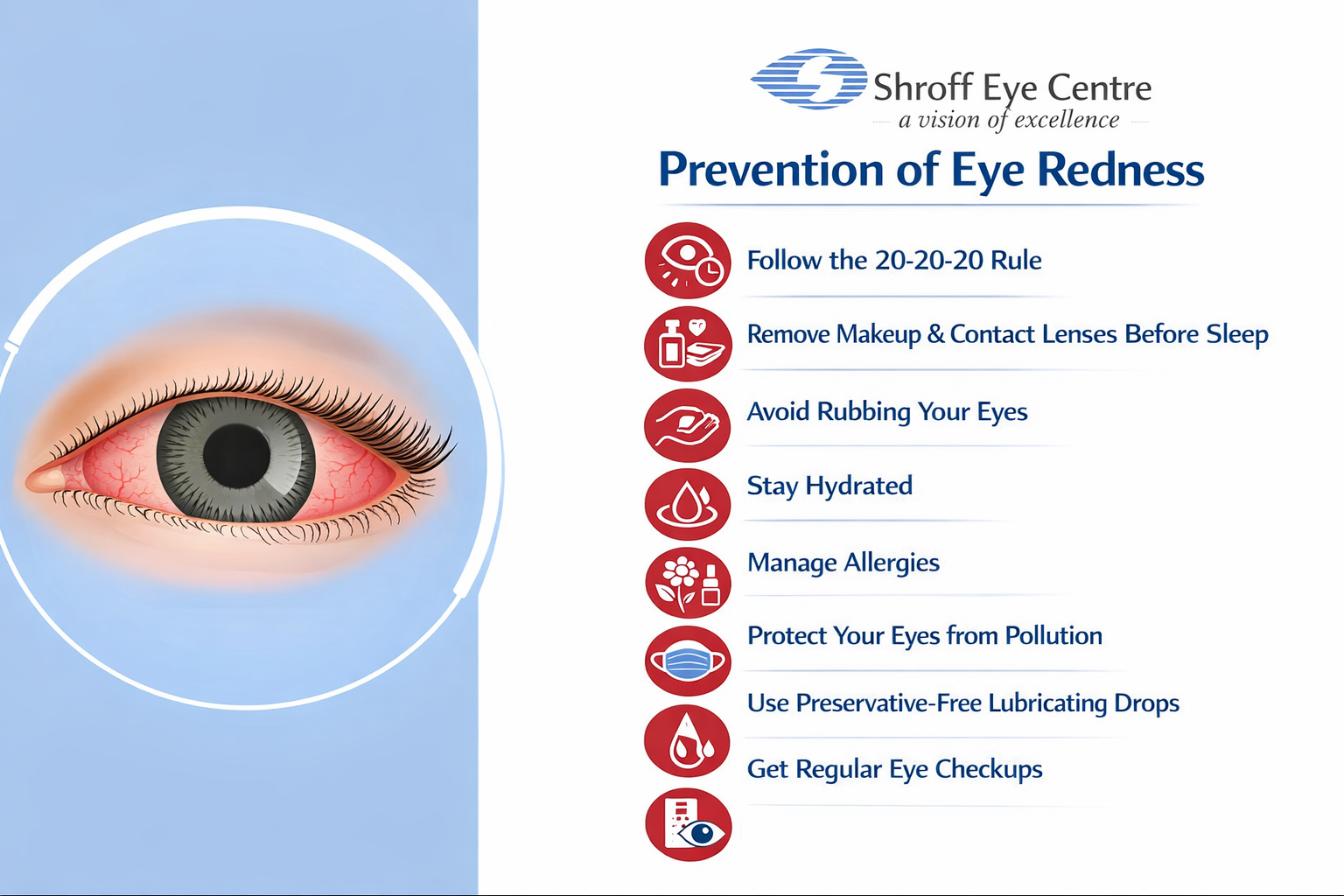
- Remove makeup & contact lenses before going to sleep.
- Do not rub the eyes excessively.
- Avoid smoking- Tobacco smoke is a major irritant and can worsen allergic conjunctivitis and Dry Eye.
- Follow the 20-20-20 rule- Take regular breaks. Every 20 minutes, look at something 20 feet away for 20 seconds.
- Do not self treat or use eye drops recommended by a chemist. This is true especially for steroid eye drops as these
can worsen an infection, if present.
If the problem persists for more than a day, you can search for an eye doctor near me. A highly reputed Eye hospital in Delhi, Shroff Eye Centre offers solutions for all eye related problems.
If you are worried about your red eyes, make an appointment with our eye specialists now.
Frequently asked questions about Red Eyes (Bloodshot eyes)
Q: Why are my eyes red?
Red eyes usually happen due to dry eyes, too much screen time, allergies, dust, or pollution. If redness comes with pain, discharge, or vision changes, it may be due to an infection or another eye condition and should be checked by an ophthalmologist.
Q: Can red eye go away on its own?
Yes, mild redness caused by dryness or irritation often clears on its own. If it does not improve within two days or is accompanied by pain or blurred vision, consult an eye doctor.
Q: Is red eye contagious?
It depends on the cause. Infective conjunctivitis can spread from person to person. However, dry eye, allergies, and subconjunctival haemorrhage are not contagious.
Q: Can air pollution cause red eyes in Delhi?
Yes. Air pollution and dust particles can irritate the eyes and cause redness. Wearing protective glasses outdoors and using lubricating eye drops can help reduce irritation.
Q: Is red eye after LASIK normal?
Mild redness for a few days after LASIK is common and usually improves with prescribed drops. If redness increases, becomes painful, or lasts longer than a week, contact your eye surgeon.
Q: Which eye drops are safe for red eyes?
Preservative-free lubricating eye drops are usually safe for mild dryness or irritation. Antibiotic or steroid drops should only be used if prescribed by an eye doctor.
Q: How long does red eye last?
It depends on the cause. Dry eye redness may improve within hours or days. Conjunctivitis usually clears in 7 to 10 days, while a subconjunctival haemorrhage may take up to two weeks to fade.
Q: Can contact lenses cause red eyes?
Yes. Wearing contact lenses for too long or sleeping in them can reduce oxygen supply to the cornea and cause redness. Removing the lenses and resting the eyes usually helps, but persistent redness should be checked by a doctor.
Book an appointment at Shroff Eye Centre
If your red eyes are not clearing up, or if you want a proper diagnosis rather than guessing, our team is here to help. Shroff Eye Centre has been providing specialised eye care since 1914, with NABH-accredited facilities across Delhi NCR.
Call:+91-11-41633999 or +91-9910956780
Book online: shroffeyecentre.com/contact
Locations:
Kailash Colony | Connaught Place | Gurgaon | Ghaziabad
Disclaimer: This information is not intended to constitute or be a substitute for professional medical advice, diagnosis or treatment. Always seek the advice of your doctor or other qualified health care provider with any questions you may have regarding your medical condition. Never disregard professional medical advice or delay in seeking it because of something you have heard in a video or read about in a blog or website.