


 Call us
 Email us
Medically Reviewed by Dr. Swarnali Sen Ray, MS | Glaucoma Specialist | Shroff Eye Centre
Glaucoma is an eye condition that can cause damage to the optic nerve. The optic nerve is the nerve that connects the eye to the brain. Glaucoma is also known as Kala Motia in Hindi.
This damage is usually caused due to high pressure in the eyes.. Sometimes glaucoma can develop even when the eye pressure is normal. What makes glaucoma so dangerous is that most people do not have any symptoms in the stages. You will not notice any vision loss at first.
Vision loss happens slowly and it cannot be reversed. By the time you notice something is wrong a lot of damage may have already occurred. This is why it is so important to have eye check-ups. If glaucoma is caught early it can be. Further vision loss can be prevented.
Hear out what our glaucoma specialist,
Dr. Swarnali Sen has to say.
Glaucoma can happen to anyone at any age.. It is more common in older people. Glaucoma is one of the causes of irreversible blindness all over the world.
How Will I Know If I Have Glaucoma?
In most cases you will not know until it is too late. Many people with glaucoma are only diagnosed when they visit their eye doctor for something. This is why it is so important to have an eye check-up with a glaucoma test.
You should have a glaucoma test even if you think your vision is fine. The symptoms of glaucoma depend on the type of glaucoma you have.
What are the Types of Glaucoma and their Symptoms?
Watch our bite-sized video to know Glaucoma symptoms.
Open-Angle Glaucoma
This is the most common type, accounting for the majority of glaucoma cases. There are usually no early symptoms at all.
- You may notice a loss of side vision. This is also known as peripheral vision. Many people only notice this when they are driving and cannot see vehicles approaching from the side.
- As glaucoma progresses vision loss moves from the side towards the center. This is called tunnel vision.
- By the time your central vision is affected a lot of damage has already occurred.
Because there is no pain and no obvious change in the stages, Open-Angle Glaucoma is often called the silent thief of sight.
Acute Angle Glaucoma
Acute Angle-Closure Glaucoma is different. It can cause severe symptoms. This is an emergency and needs immediate treatment.
- You may have a headache.
- You may have pain in your eyes.
- You may feel nauseous and vomit.
- You may have blurred vision with redness in your eyes.
- You may see halos around lights.
If you or someone around you has these symptoms you should go to an eye hospital in Delhi NCR immediately.
Secondary Glaucoma
This type of glaucoma develops as a result of another underlying condition. The causes of Secondary Glaucoma include cataracts, diabetes, long-term steroid use, retinal problems, thyroid conditions and uveitis. All of these conditions can raise eye pressure. Directly damage the optic nerve.
Normal Tension Glaucoma
In this type of glaucoma the optic nerve gets damaged even though the eye pressure readings are normal. It is diagnosed through a spot in your visual field or visible optic nerve damage on examination. It is not diagnosed through pressure readings
Diagnosis of Glaucoma
Diagnosing glaucoma is straightforward. Does not take long. At Shroff Eye Centre the glaucoma specialists follow a diagnostic protocol:
- They do a vision test and pupil dilation to examine the eyes closely.
- They use Tonometry to measure the pressure inside the eye.
- They use Gonioscopy to examine the drainage angle of the eye.
- They do a nerve assessment to look for signs of damage.
- They do a Visual Field Assessment by VFA machine to detect any defects in central vision.
- They use OCT to visualize the nerve and retinal nerve fiber layer in detail.
All glaucoma tests are available at the NABH-accredited glaucoma hospital in New Delhi. There are also clinics in Gurgaon and Ghaziabad.
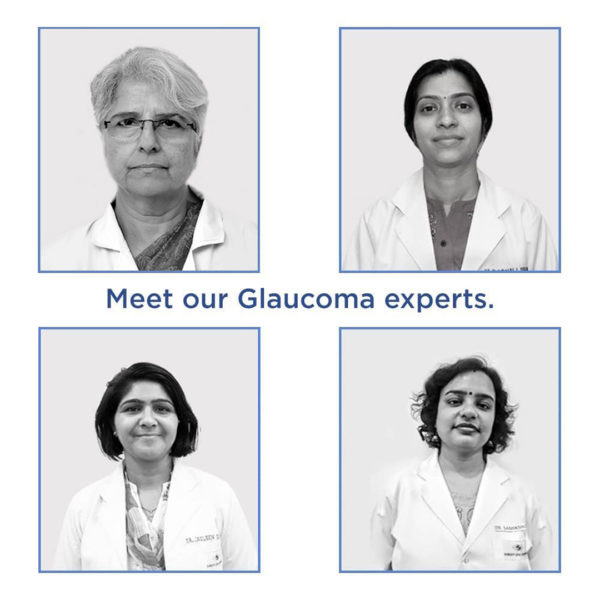
You can find a glaucoma specialist near you at any of the locations across Delhi NCR.
What is the Treatment of Glaucoma?
Treating glaucoma is safe and effective if started early. The goal is to lower eye pressure and prevent optic nerve damage. Vision that has already been lost cannot be restored.. The right treatment can stop things from getting worse.
The doctor at Shroff Eye Centre will decide the approach based on the pressure readings, optic nerve status and overall eye health. Learn about them in detail below:
Eye drops & Oral Medication

The treatment usually starts with eye drops. Eye drops work by reducing the production of fluid inside the eye or helping it drain better. They need to be used at the same time every day and in most cases continue for life. Skipping doses can let the pressure rise again.
Laser Surgery for Glaucoma
Laser surgery is considered when the pressure remains high despite medication. There are three types of laser surgery:
* Iridotomy creates an opening in the iris to improve fluid drainage.
* Trabeculoplasty improves drainage through the eye’s natural drainage channel.
* Cyclophotocoagulation reduces production by treating the part of the eye that makes it.
For the cost of glaucoma laser surgery in Delhi, Gurgaon or Ghaziabad you should contact the team for an estimate.
Glaucoma Surgery
Glaucoma surgery is the step when both medication and laser treatment have not been sufficient. Surgical options involve creating a drainage passage for fluid or placing a tiny shunt inside the eye to keep the pressure controlled.
If you have not had a glaucoma check-up recently or if you are experiencing any symptoms do not wait. Book a consultation with the glaucoma specialists at Shroff Eye Centre today. Shroff Eye Centre has been treating eye conditions in Delhi since 1914. The NABH-accredited glaucoma clinic offers diagnostic and treatment services across locations, in Kailash Colony, Connaught Place, Gurgaon and Ghaziabad.
Frequently Asked Questions about Glaucoma
Q: Can glaucoma be cured?
No glaucoma cannot be cured.. It can be effectively controlled. With the treatment further vision loss can be prevented. The key is catching it early. Staying consistent with treatment.
Q: Is glaucoma painful?
Open-Angle Glaucoma causes no pain at all. Acute Angle-Closure Glaucoma is the exception. It can cause severe eye pain along with a headache, nausea and blurred vision.
Q:What is the first sign of glaucoma?
In Open-Angle Glaucoma there are usually no signs. The first thing people notice is a loss of side vision. By that point damage has already been occurring for some time. This is why routine glaucoma screening is so important with no symptoms.
Q: How often should you get a glaucoma test?
If you are above 40 have a family history of glaucoma, diabetes, high myopia or have been on long-term steroid use an annual glaucoma test is recommended. For everyone it should be part of a routine eye check-up every one to two years.
Q: Can glaucoma affect people?
Yes, glaucoma can occur at any age. While it is more common in adults, glaucoma can occur in children and young adults. Congenital glaucoma is present from birth and juvenile open-angle glaucoma can develop in teenagers and young adults.