


 Call us
 Email us
“A good laugh and a long sleep are the two best cures of anything”
~ Irish Proverb
How Sleep Affects Your Eye Health and Vision
Medically Reviewed by by Shroff Eye Centre’s Anterior Segment Team
Most people know that not getting sleep makes them feel terrible.. What people do not talk about enough is that your eyes also get hurt.
When you sleep your body fixes itself. Your eyes do the thing. They get to rest and fix their film. They get to reduce inflammation. The cells in your cornea get to regenerate. The pressure in your eyes, which is very important for your vision, gets to go through its cycle.
If you do not get sleep all of these things get messed up. Some problems show up in the morning. Other problems build up over time. Either way your eyes are affected by the sleep you get.
Key Takeaways
- Sleep is when your eyes get to fix themselves restore their film and regulate the pressure in your eyes
- Not getting enough sleep directly causes dry eyes, eye strain, twitching and puffiness
- Not getting enough sleep over a long time raises the risk of glaucoma and long-term damage to your retina
- Adults need 7 to 9 hours of good sleep for their eyes to be healthy
- Not looking at screens before bed drinking water and making sure you do not have sleep apnea all make a big difference
Why Is Sleep Important for Your Health?
We all know that our families tell us to go to bed early.. There is real science behind why sleep is so important. When you sleep your body gets to fix itself. Your muscles, tissues and cells all get to rest and renew themselves.
Your brain also gets to organize your memories. Your hormones and chemicals get to normal levels. Your immune system gets reset. If you do not get sleep all of these things get slowed down.
Your eyes are no exception. They are exposed to the world all day so they need sleep to recover.
What Sleep Actually Does for Your Eyes?
Your eyes are exposed to everything all day. They look at screens, sunlight, dust and pollution. They work all day without a break. Sleep is the time they get to rest.
Here is what happens when you sleep:
- Your tear film gets restored. This is the layer of moisture that keeps your eyes comfortable and protected.
- Your cells get fixed. The cells in your cornea and conjunctiva get to regenerate. Fix any damage from the day.
- Inflammation goes down. Sleep helps reduce the inflammation caused by allergens, pollution and looking at screens.
- The pressure in your eyes gets regulated. Your eye pressure follows a cycle when you sleep. If you do not get sleep this cycle gets messed up.
What Happens to Your Eyes When You Don’t Sleep Enough?
Not getting sleep is not just a small problem. It has an effect on your eye health.
1. Dry Eyes
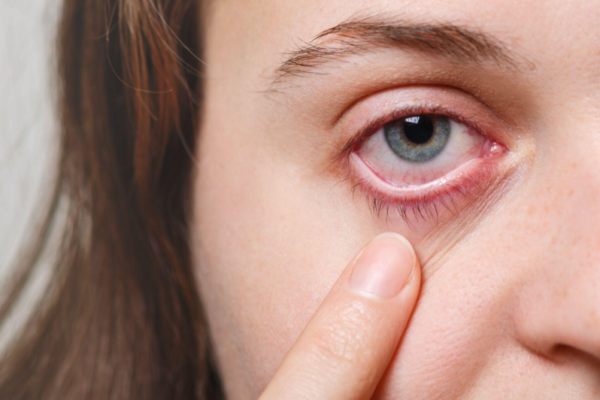
If you do not sleep enough your tear film breaks down. This causes dry eye syndrome. Your eyes get irritated, red and blurry.
2. Eye Strain and Digital Fatigue
If you look at screens for a time and do not get enough sleep you get digital eye strain. Your eyes get tired. Have trouble focusing.
3. Eye Twitching
If you are tired you might get eye twitching. This is when your eyelid moves on its own.It is usually harmless. If it persists you should see a doctor.
4. Eye Bags and Puffiness
If you do not get sleep the blood vessels around your eyes get bigger. This causes puffiness and dark circles.
5. Raised Eye Pressure and Glaucoma Risk
Not getting sleep over a long time can raise the pressure in your eyes. This can cause glaucoma, which can damage your nerves and cause vision loss.
6. Sleep and the Retina
The retina is the layer in the back of your eye that senses light. It needs sleep to work. When you sleep your brain gets rid of toxins that can harm your retina.
If you do not get sleep these toxins can build up and cause damage to your retina. This can affect your vision over time.
How Much Sleep Do Your Eyes Need?
The amount of sleep you need varies. Most adults need 7 to 9 hours per night. Children and teenagers need sleep because their eyes and visual systems are still developing.
| Age Group | Recommended Sleep |
|---|---|
| Infants (0–3 months) | 14–17 hours |
| Children (1–5 years) | 10–13 hours |
| Teenagers (14–17 years) | 8–10 hours |
| Adults (18–64 years) | 7–9 hours |
| Older Adults (65+) | 7–8 hours |
It is also important to note that the quality of sleep matters. Seven hours of sleep is not the same as seven hours of deep sleep. If you wake up with dry or puffy eyes the problem might be the quality of your sleep not the amount.
How to Sleep Better.. What It Does to Your Eyes?
You do not need to make big changes to your life. Here are some habits that can help you sleep better and improve your eye health:
- Put away your blue screens before bed. The blue light from phones and computers can keep you awake.
- Build a bedtime routine. This can be a bath, some light stretching or a cup of herbal tea.
- Eat lighter in the evening. Heavy meals can disrupt your sleep.
- Make your sleep environment comfortable. Keep your room cool, dark and quiet.
- Drink water during the day but not too much at night.
- If you sleep for a time and still feel tired you might have sleep apnea. You should talk to a doctor.
Experiencing Eye Discomfort? Get It Checked
Shroff Eye Centre has been taking care of eyes in Delhi since 1914. They have clinics in Kailash Colony, Connaught Place, Gurgaon and Ghaziabad. They offer eye care, including dry eye treatment and glaucoma screening.
If your eyes are always dry. That is not getting better with rest or you have strain or your eyes twitch or you have some problem you should go and get your eyes checked.
Visit your nearest Shroff Eye Centre or book a consultation with our eye specialists today.
Frequently Asked Questions
Q: What happens to your eyes when you do not get sleep?
Your tear production goes down. Your eyes get dry and irritated. You might also get eye strain, puffiness and twitching.
Q: Can lack of sleep cause vision problems?
Yes, not getting sleep can cause blurred vision, difficulty focusing and sensitivity to light.
Q: How hours of sleep do your eyes need?
Most adults need 7 to 9 hours per night.
Q: Is eye twitching a sign of sleep?
Yes, eye twitching can be a sign of sleep deprivation.
Q: What is the link between sleep and eye pressure?
The pressure in your eyes follows a cycle when you sleep. If you do not get sleep this cycle gets disrupted and your eye pressure can go up.