

 Call us
 Email us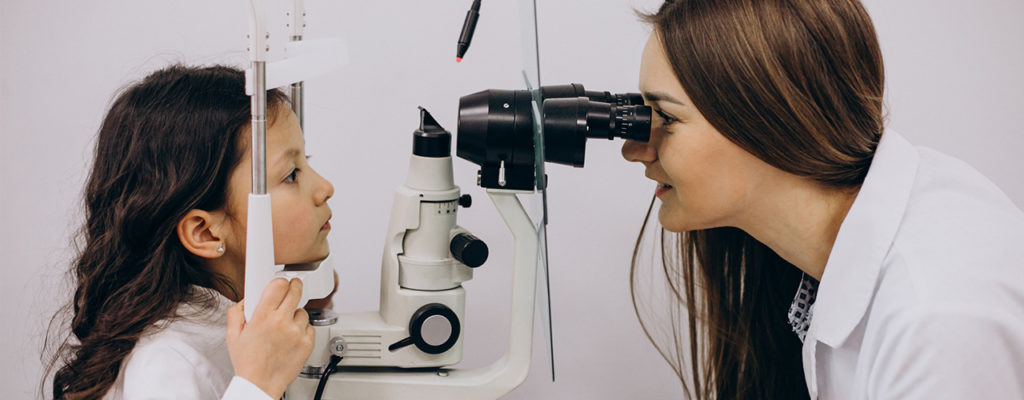
Medically Reviewed by Dr. Apoorva Aggrawal, MS | Refractive Specialist | Shroff Eye Centre
Regular eye check-ups can help detect and prevent conditions like glaucoma, myopia, diabetic retinopathy, and high blood pressure – often before any symptoms appear. An annual comprehensive eye exam by a qualified ophthalmologist is one of the most effective ways to protect both your vision and your overall health.
Our eyes as a sense organ are often termed as “the window to our soul” – helping us tell a lot about our overall health.
The importance of eye examination goes well beyond just making sure your vision isn’t blurry.
Poor vision from Myopia is on the rise & more common in today’s world
Good vision correction improves your daily life cores. Specially if detected at a very young age. Children nowadays are exposed to more hours of screen time thus need a regular check up of eyes. This ensures their growth and learning back at school.
The growing number of children developing myopia (Nearsightedness) is growing at a faster rate and yet they need attention as early as possible. If ignored and not treated during their childhood it can lead to worsening of their eyesight.
Schedule a doctor’s appointment every six months to have a regular check on your child’s eyesight and reduce the risk of any problems related to eyes later in life. Find a doctor near you and schedule an eye examination now.
Proper Eye Examination is Mandatory
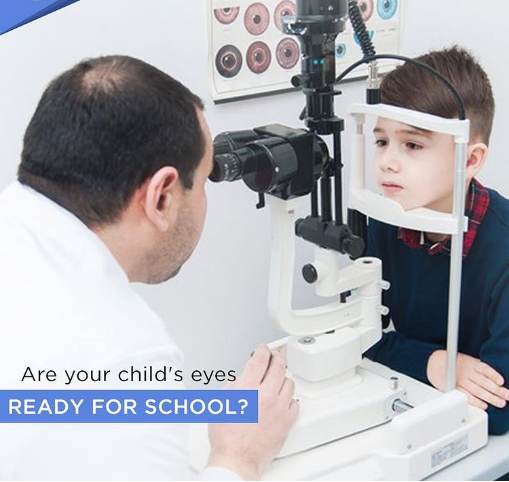
Just by passing a school visual screening exam in children or a driving exam as adults doesn’t mean that your eyes are perfectly fine. Neither of these assumptions are correct.
Screenings can identify minor problems a person might have with specific visual tasks, such as seeing a chalkboard clearly in the classroom or recognizing road signs and other objects from behind the wheel.
Only a comprehensive eye exam by an eye doctor (optometrist or ophthalmologist) can ensure your vision is as clear and comfortable as possible and that you don’t suffer from any potential serious eye disease that might not have any early symptoms – including glaucoma and even eye cancer.
Why Early Detection is Important
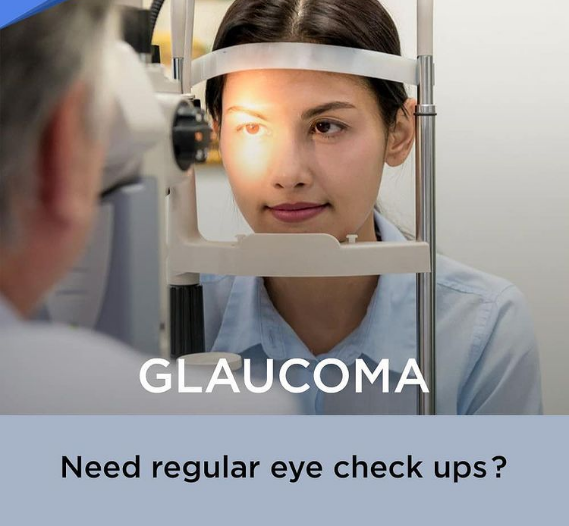
Of all serious eye diseases, glaucoma is probably the sneakiest. That’s because there are no visible symptoms in most cases of early glaucoma or any alert that something’s going wrong.
People who don’t go for routine eye exams and have developed glaucoma become aware of it only after they experience permanent vision loss from the disease. And by that time, controlling glaucoma to prevent additional vision loss can be very difficult. Successful control with glaucoma treatment and/or glaucoma surgery is needed – otherwise the disease can lead to blindness.
Early detection of high eye pressure and other risk factors is possible only with routine eye exams. Vision screenings do nothing to identify or prevent glaucoma.
Did you know many serious health conditions are detected by the Routine Eye Exam?
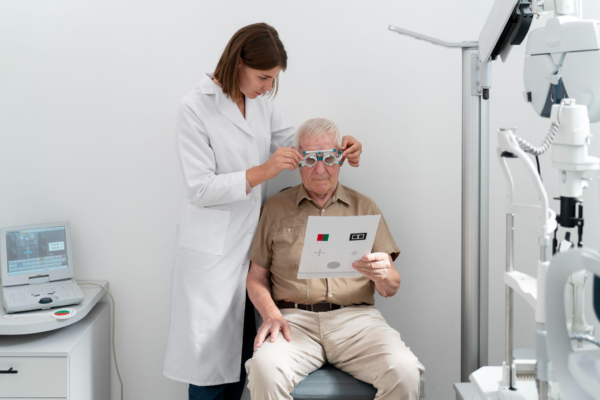
Some of the health conditions such as diabetes, high blood pressure, and high cholesterol are initially detected by a regular eye check-up. During an extensive eye exam, your doctor can observe and evaluate the health of the blood vessels in your retina – a good predictor of blood vessel health throughout your body. Conditions such as hypertension and hypercholesterolemia are all visible by changes in the appearance of the retinal blood supply.
Annual eye exams are especially important for anyone with diabetes or who might be at risk for the disease (due to obesity, family history or other reasons).
Also, research is advancing to develop an eye test to identify your risk for Alzheimer’s disease that may soon be performed during a comprehensive eye exam.
Why Choose Shroff Eye Centre for Your Eye Check-up?
At Shroff Eye Centre, our ophthalmologists conduct comprehensive eye exams across our Delhi NCR locations – including Kailash Colony, Connaught Place, Gurgaon, and Ghaziabad. NABH accredited and trusted since 1914, our diagnostic protocol covers visual acuity, retinal health, intraocular pressure (for glaucoma screening), and corneal assessment – all in a single visit. Early detection at our centre has helped thousands of patients across Delhi preserve their vision and manage systemic conditions before symptoms appear.
Schedule an Eye Exam Today
If you have been noticing slight trouble with your vision or it has been too long since your last eye check-up, visit your nearest Shroff Eye Centre.
Book your comprehensive eye exam in Delhi NCR – call us on +91-11-41633999 or +91-9910956780.
Eye check-up in Kailash Colony, Delhi | Eye check-up in Connaught Place | Eye check-up in Gurgaon | Eye check-up in Ghaziabad
Frequently Asked Questions
Q: How often should I get an eye check-up?
You should get an eye exam at least once a year if you are an adult. If you are a child you should get an eye exam every six months especially if there is a family history of myopia or other eye conditions in your family.
Q: Can an eye exam detect diabetes?
Yes it can. When you get an eye check-up the doctor examines the blood vessels in your retina. If these vessels have changed it can be a sign of diabetes, high blood pressure and high cholesterol even before you notice any other symptoms.
Q: Can glaucoma be detected in an eye check-up?
Yes it can. Glaucoma does not have any symptoms when it first starts so you need to get a routine eye exam to detect it. When you get an eye exam the doctor checks the pressure in your eyes and looks at your optic nerve. This can help find out if you are at risk of getting glaucoma before you lose any of your vision.
Q: At what age should children have their eye exam?
Children should have their first comprehensive eye exam when they are 3 years old and then they should get an eye exam every year once they start going to school. If the doctor finds any vision problems, like myopia, you can get them treated right away and prevent any problems with their learning and development.